At a glance
Good for: families with small kids, and anyone who likes a long walk among trees and water. Every path works with a buggy.
Not for: guaranteed animal sightings. On our day a lot of animals were hiding.
Where: Phoenix Park, about 3 km west of Dublin city centre.
Time needed: a few hours, half a day if you want to see everything.
Parking: car parks right next to the zoo, busy at weekends.
Our visit: 2025, by car, with a buggy.
One of the oldest zoos in the world
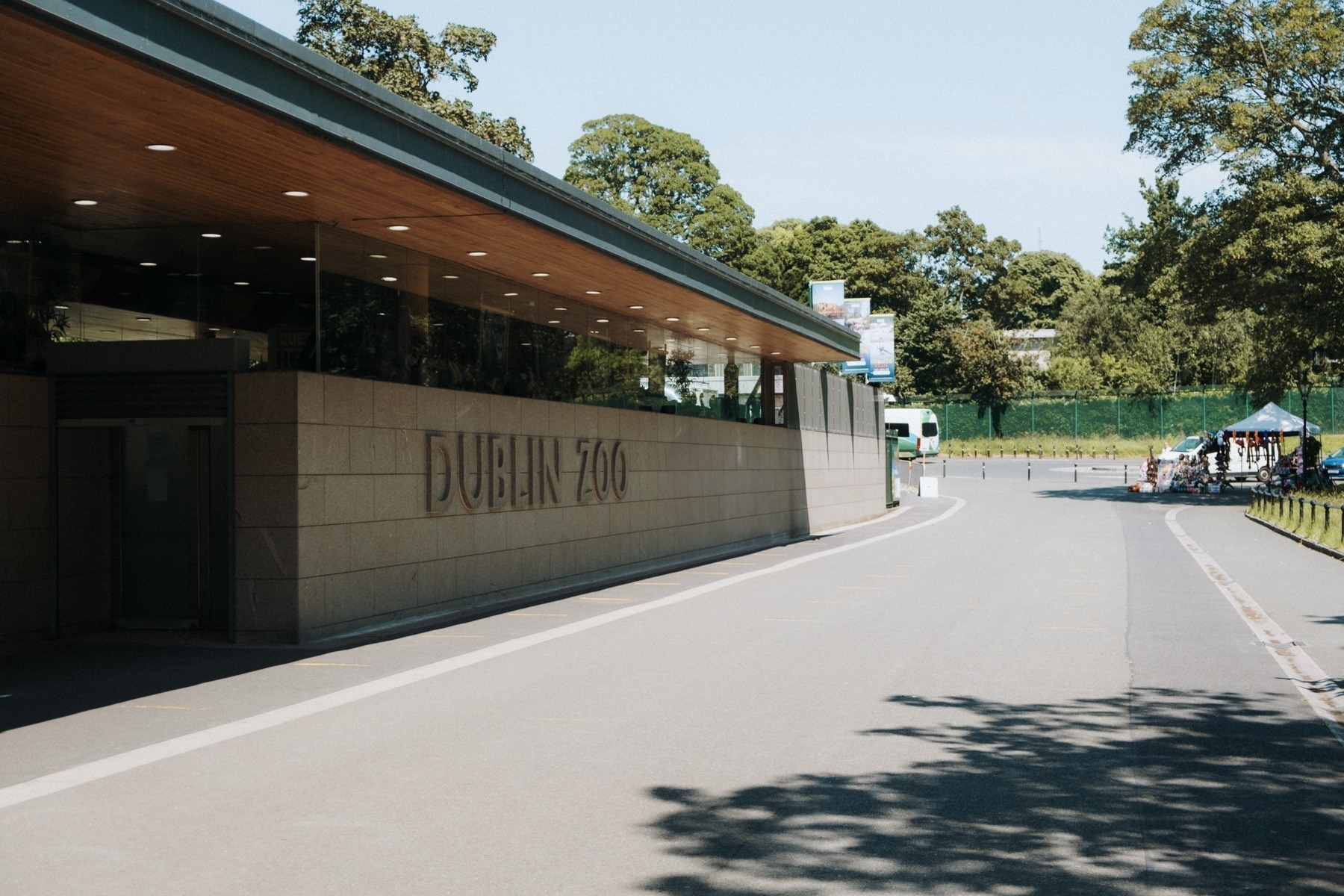
Dublin Zoo opened in Phoenix Park on 1 September 1831, which makes it one of the oldest zoos in the world. Today it covers 28 hectares and is home to around 400 animals from about 100 species, with a strong focus on conservation and breeding programmes for endangered species.
What we liked most was how green it is. Big open habitats, lots of trees and water, and at times it felt more like a walk through an Irish forest than a visit to a zoo.
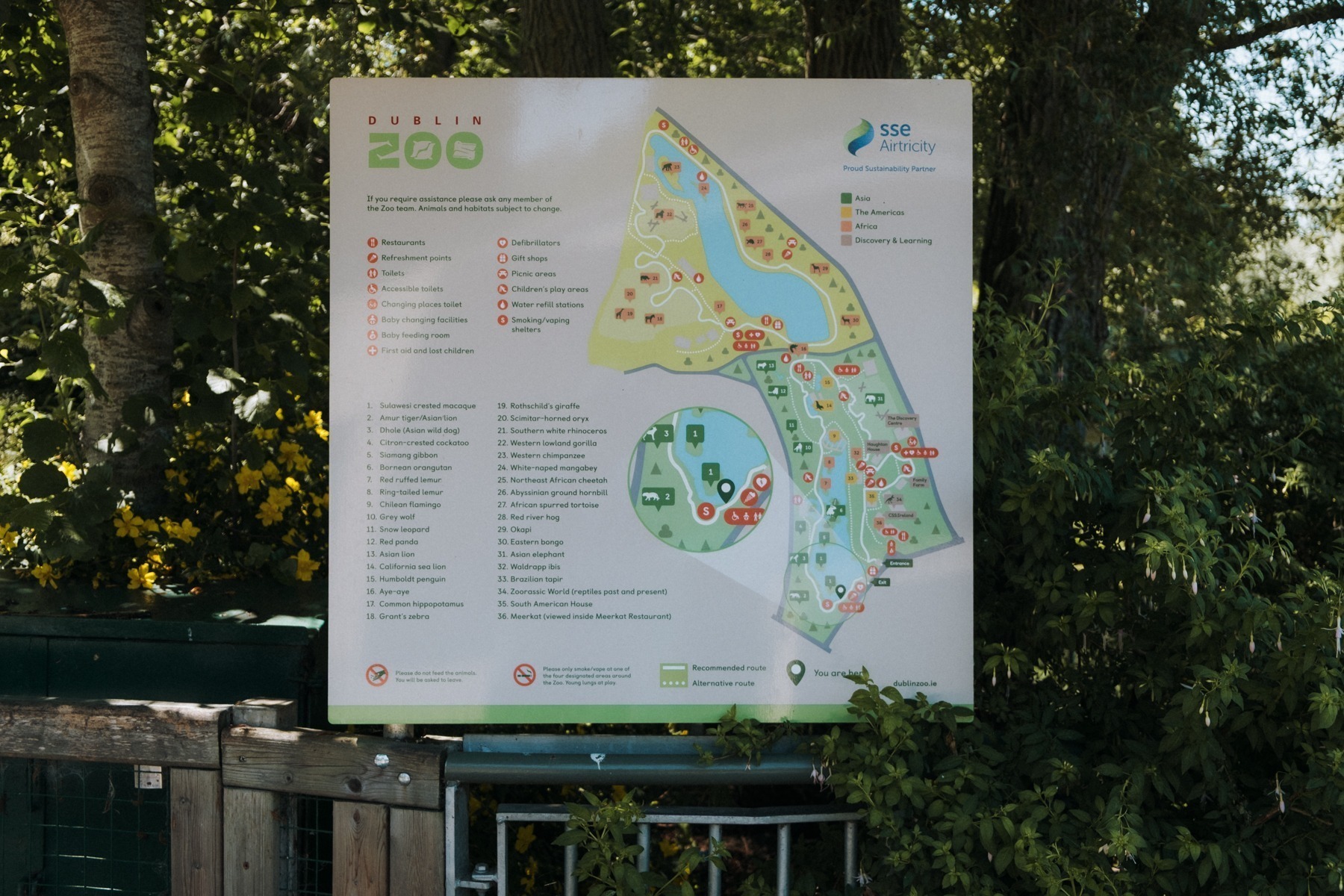
The animals we saw, and the ones that hid
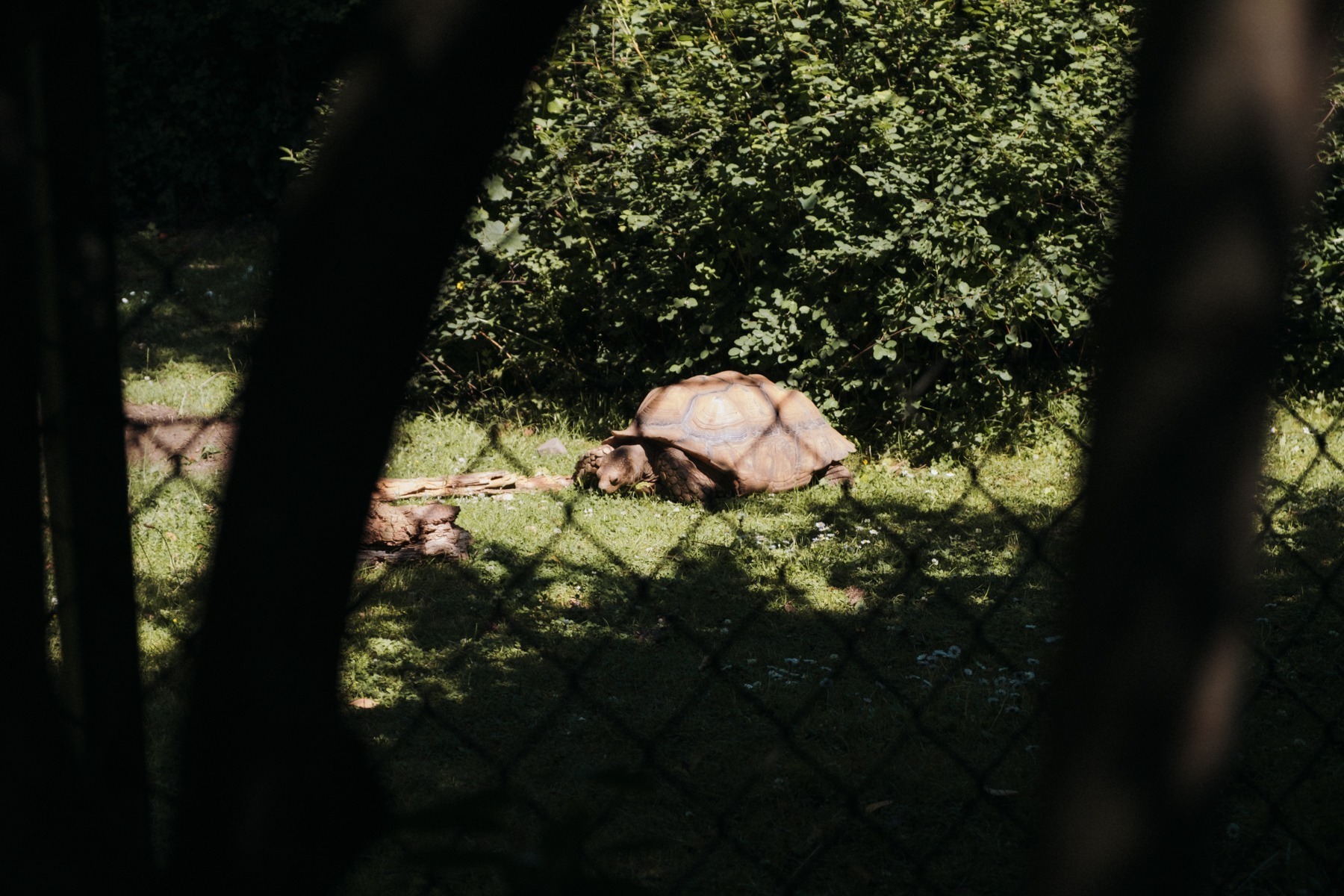
We spent a few hours walking around, and honestly, a lot of animals were hiding that day. Tigers and wolves stayed out of sight completely. Still, there was plenty to see.
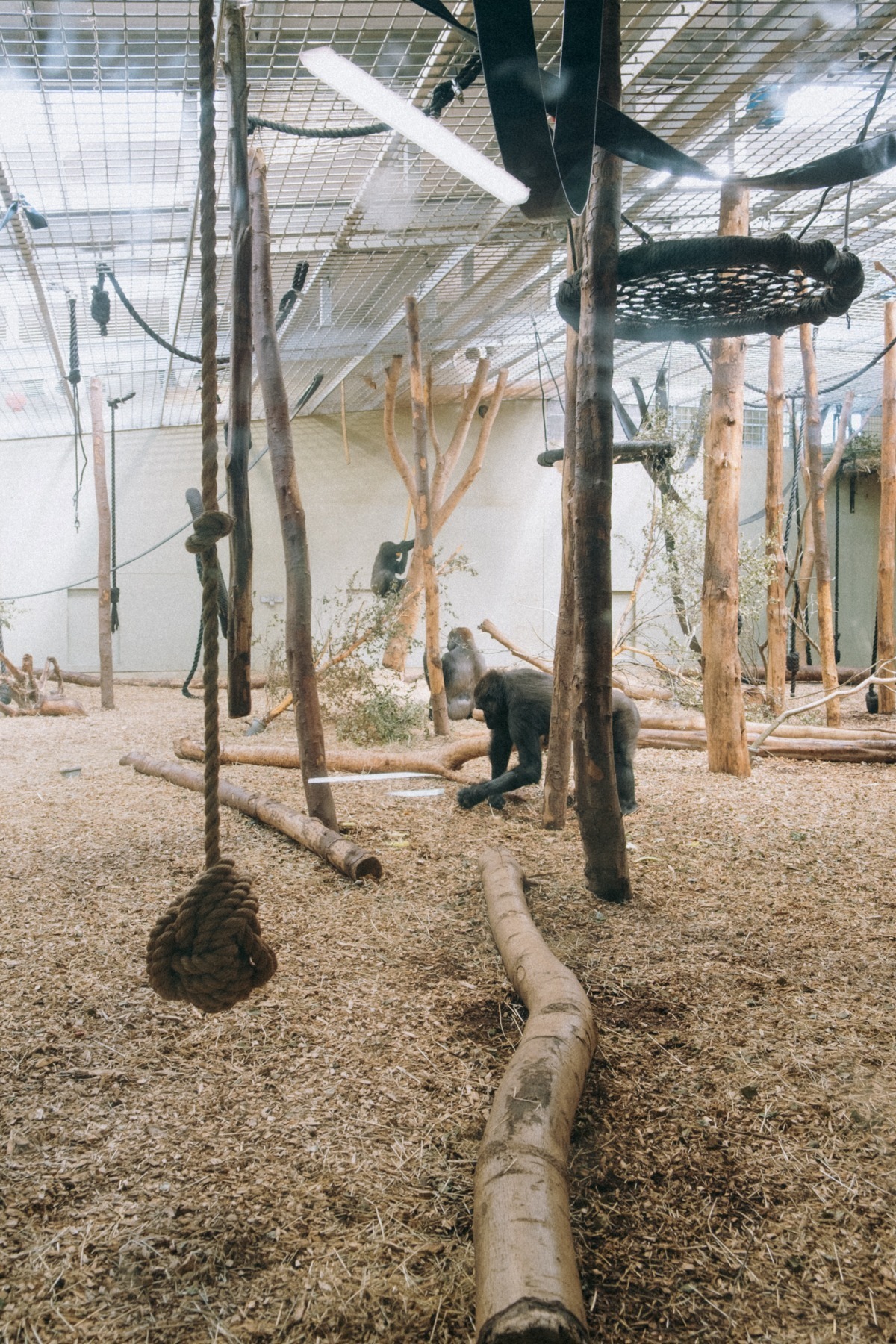
Gorillas: in the Gorilla Rainforest we saw Bangui, the male who leads the troop and came to Dublin in 2018, with his family.
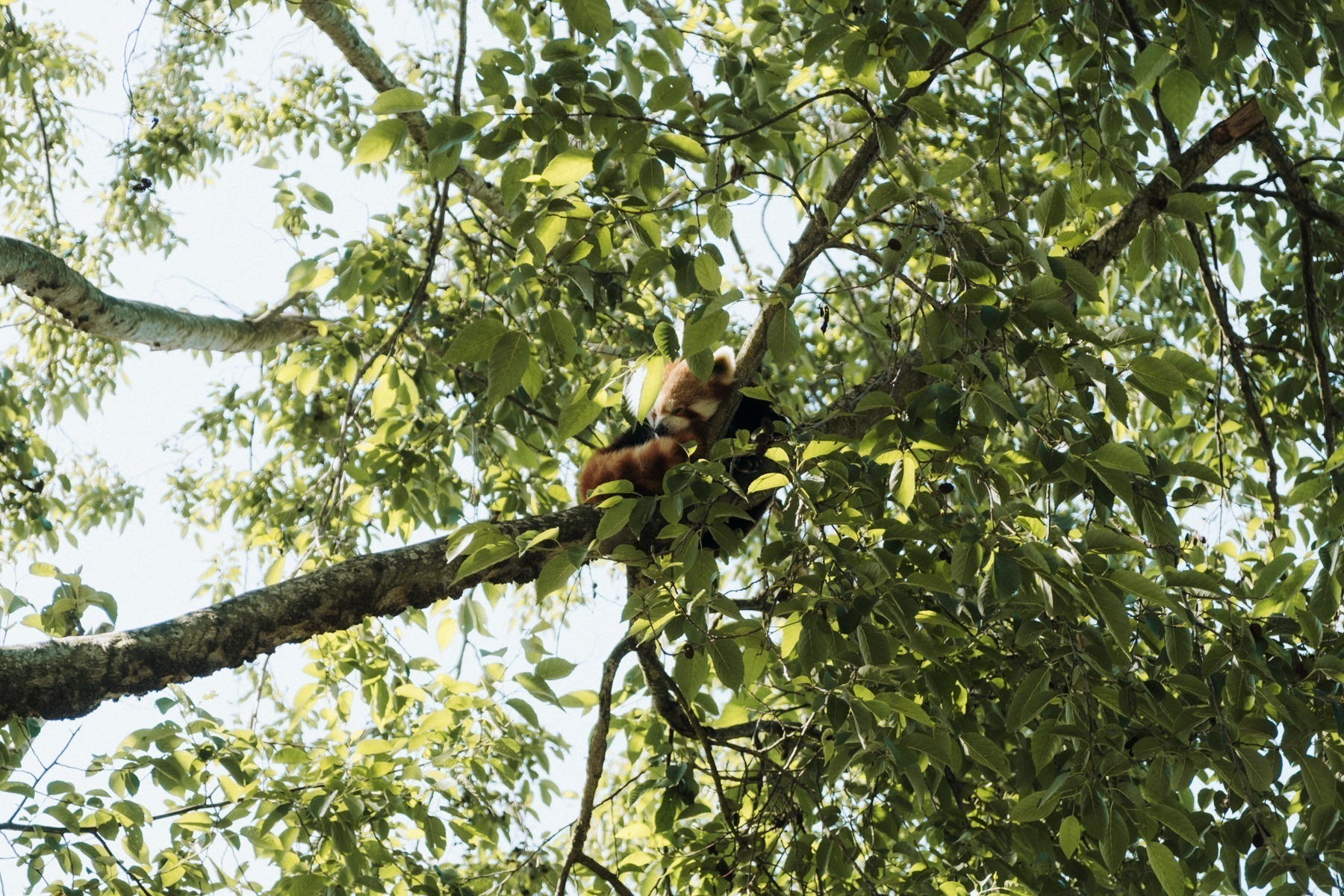
Red pandas: asleep on the branches, their red fur bright against the green.
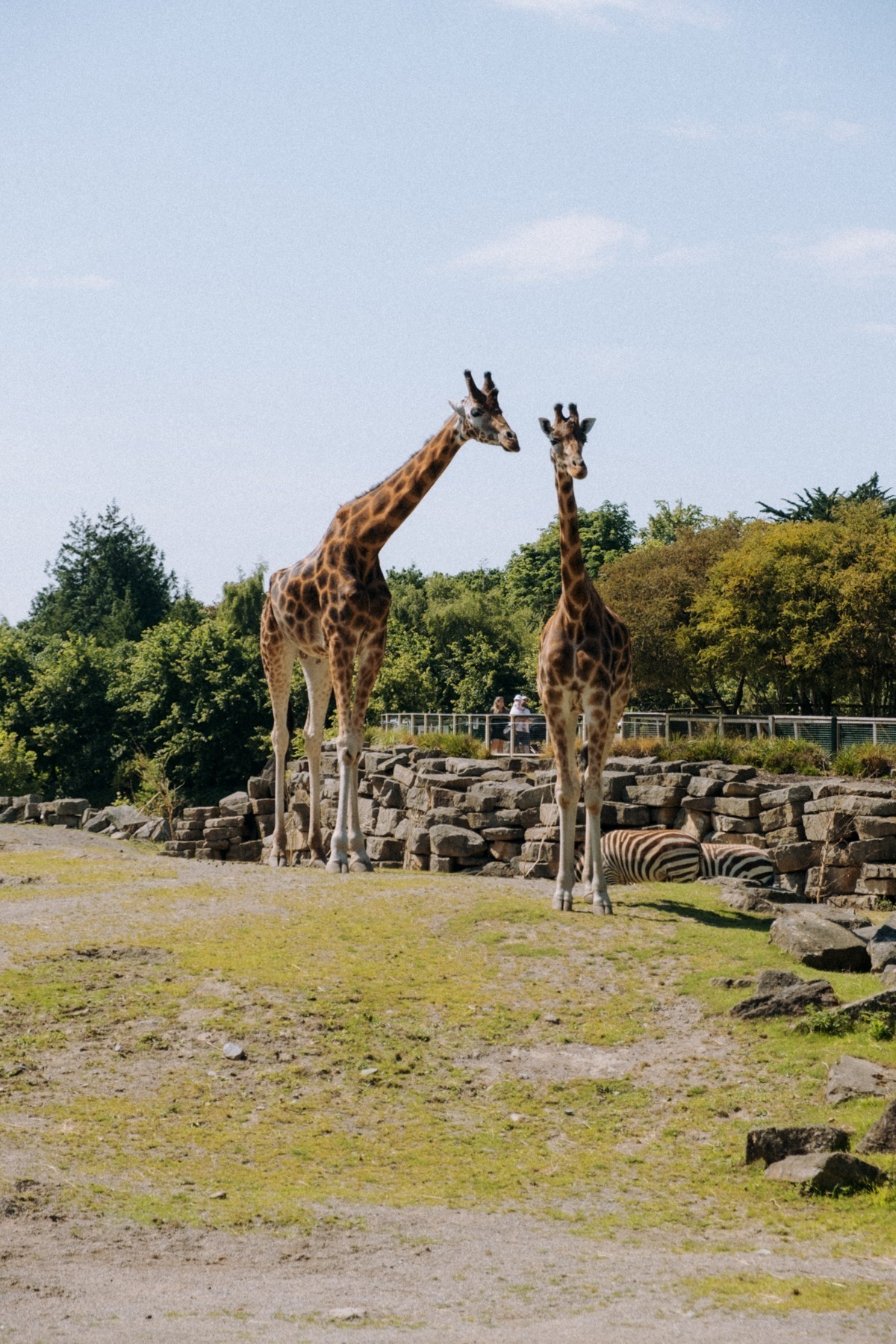
African Plains: giraffes, zebras and sable antelopes sharing one big habitat. The antelopes became our personal "unicorns", and a giraffe against Irish green grass is a strange and great sight.
Humboldt penguins: busy jumping and diving the whole time.
Asian elephants and Asiatic lions: the elephants have a big habitat with a pool and a waterfall, and the lions are hard to walk past.





Getting around with a buggy
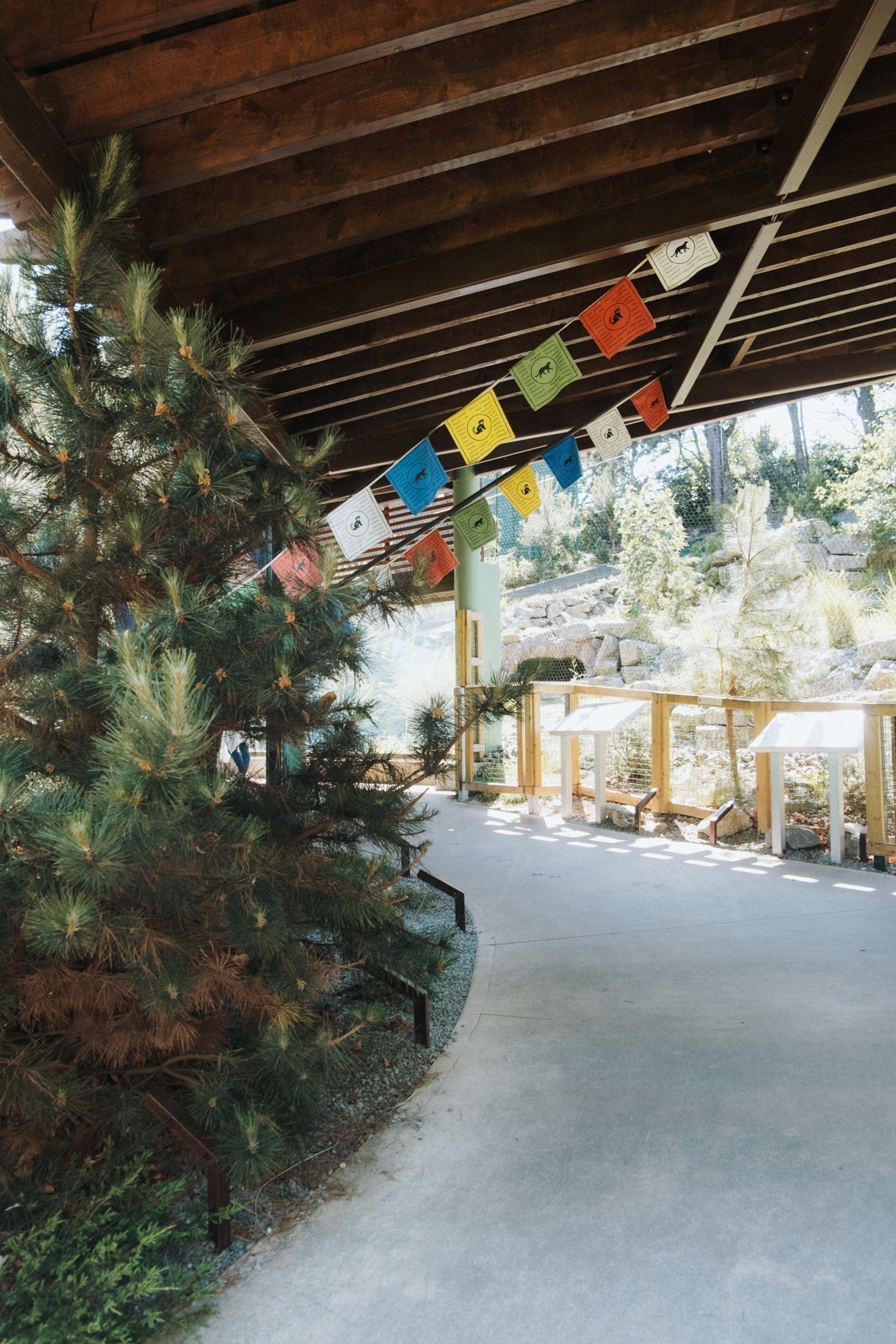
We had a buggy with us the whole day and could get everywhere without any problem. The paths are wide and paved, and we could roll into the indoor houses too. There is also a big playground with slides, rope bridges and climbing frames, plus cafés, toilets and baby-changing facilities around the zoo.

Opening hours, tickets and parking
Opening hours: from 9:30 every day. From March to September the zoo closes at 18:00 with last entry at 17:00, and the African Plains close at 17:30. In winter it closes earlier, so check the current opening hours before you go.
Tickets: buy them online on dublinzoo.ie, which is cheaper than at the gate.
Parking: we came by car and parked right by the zoo. There are car parks next to the entrance, including Lord's Walk, but they fill up fast at weekends and in school holidays, so come early.
Without a car: the zoo is about a 20-minute walk from Heuston Station and the Luas Red Line. Here it is on Google Maps.
How we would plan the visit
Come at opening time. The car parks are still quiet, and animals tend to be more active in the morning. Start with the animals you care about most, take a break at the playground, and leave a couple of hours for the rest. If you still have energy afterwards, Phoenix Park around the zoo is huge and great for a walk.
FAQ
Is Dublin Zoo buggy friendly?
Yes. We had a buggy the whole day and could get everywhere, including the indoor houses.
How long do you need at Dublin Zoo?
A few hours at least. We spent a few hours and did not see everything, so half a day is more realistic if you want to see it all.
Is there parking at Dublin Zoo?
Yes, there are car parks right next to the zoo in Phoenix Park, including Lord's Walk. They get busy at weekends and in school holidays.
What are Dublin Zoo's opening hours?
It opens at 9:30 every day. Closing time changes with the season, 18:00 from March to September and earlier in winter, so check dublinzoo.ie before your visit.
Final thoughts
Dublin Zoo is not a safari, and on our day a lot of the animals preferred to stay out of sight. It was still a good, easy day out with a little one: green, calm, and simple to get around with a buggy. We left with a camera full of photos and a reason to come back for the tigers and wolves.
More from Ireland: Blessington Lakes and Russborough House, Dún Laoghaire and Sandycove on the coast, and the Lough Bray Loop in the Wicklow Mountains.