At a glance
Good for: anyone who wants beaches, mountains, towns and food on one island, all within a short drive.
Not for: anyone who wants empty coves in July and August, or hates narrow mountain roads.
Getting around: a rental car. We have used one on every trip.
Time needed: at least a week if you want the north, south and west coasts.
Good to know: Cap de Formentor is closed to private cars during the day in summer, and parking near Cala Varques is very limited.
Our visits: four trips so far, always by car.
The coves: Cala Varques, Es Trenc, Mondragó and Cala Agulla
The coves are the reason most people come to Mallorca, and each one is different.
Cala Varques on the east coast has no road to the beach, no buildings and very clear water. You reach it on foot through the pine forest, and parking near the access track is limited and regularly restricted, so check the current situation before you go.
Es Trenc in the south is the opposite: a long, open natural beach inside a protected park, with paid parking a few minutes' walk away.
Cala Mondragó sits inside the Mondragó Natural Park, small, sheltered and great for swimming.
Cala Agulla, near Cala Rajada in the northeast, is a wide sandy bay backed by pine trees.
In high season all of them get busy, so come early in the morning.


Palma: La Seu, the old town and the cafés
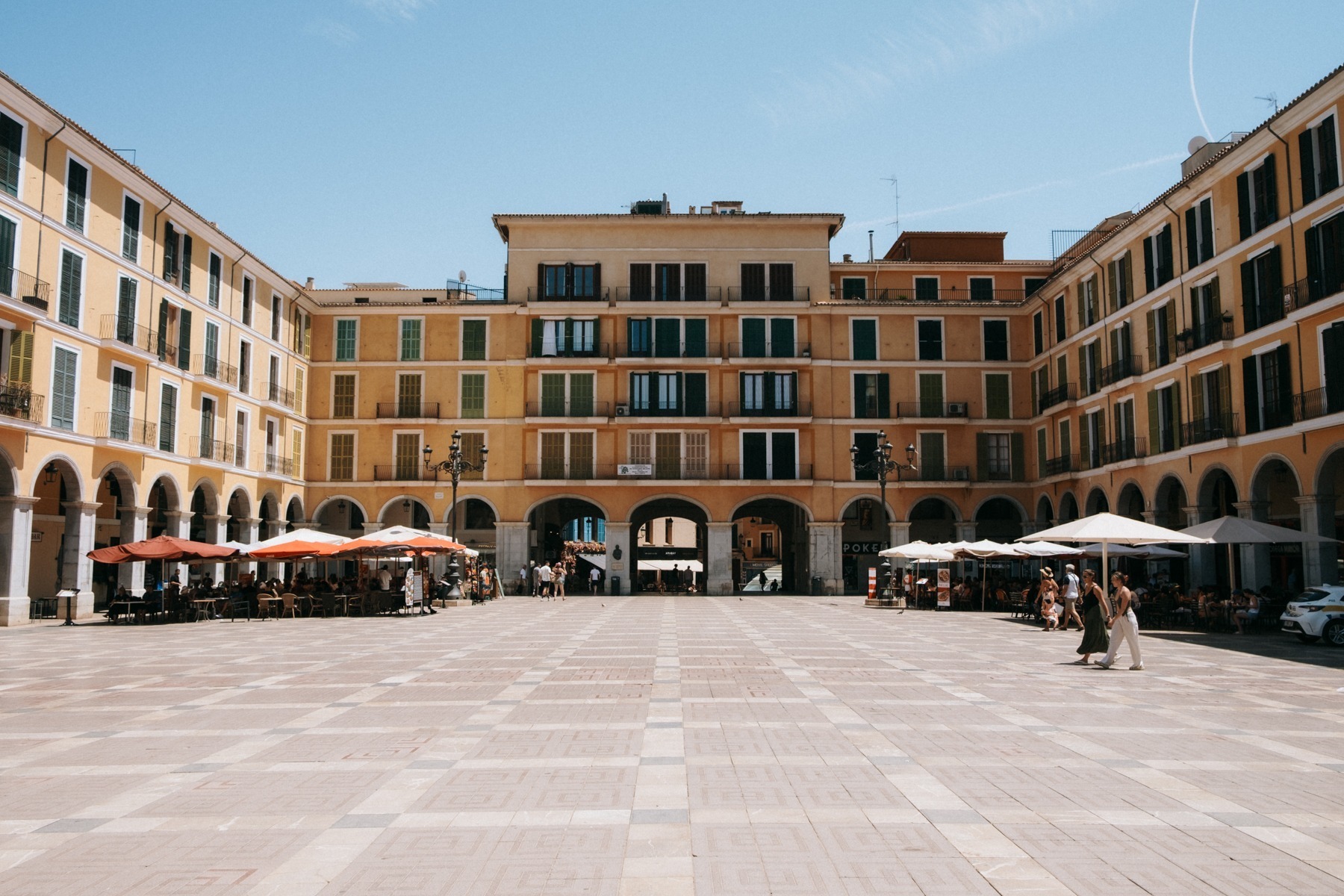
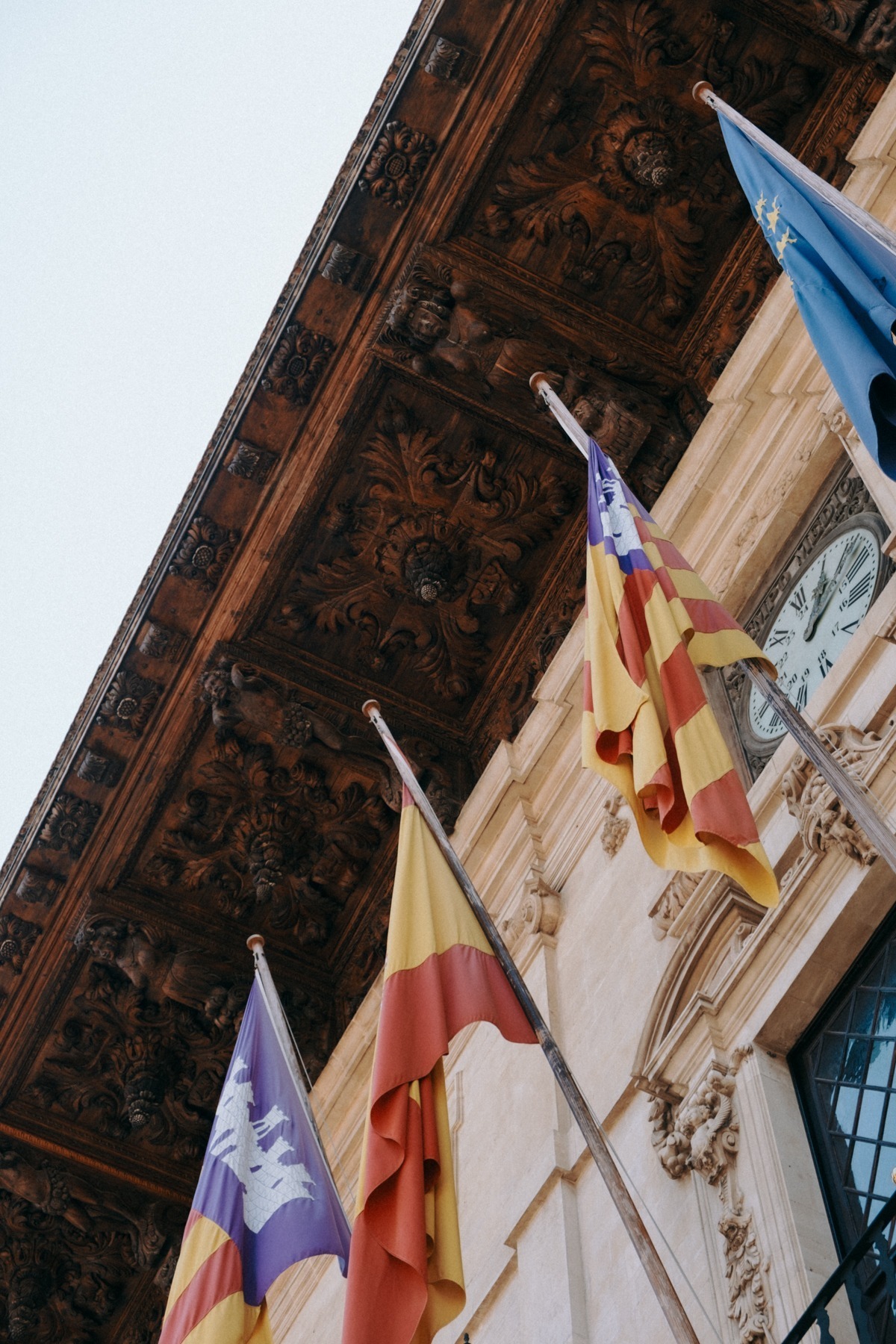
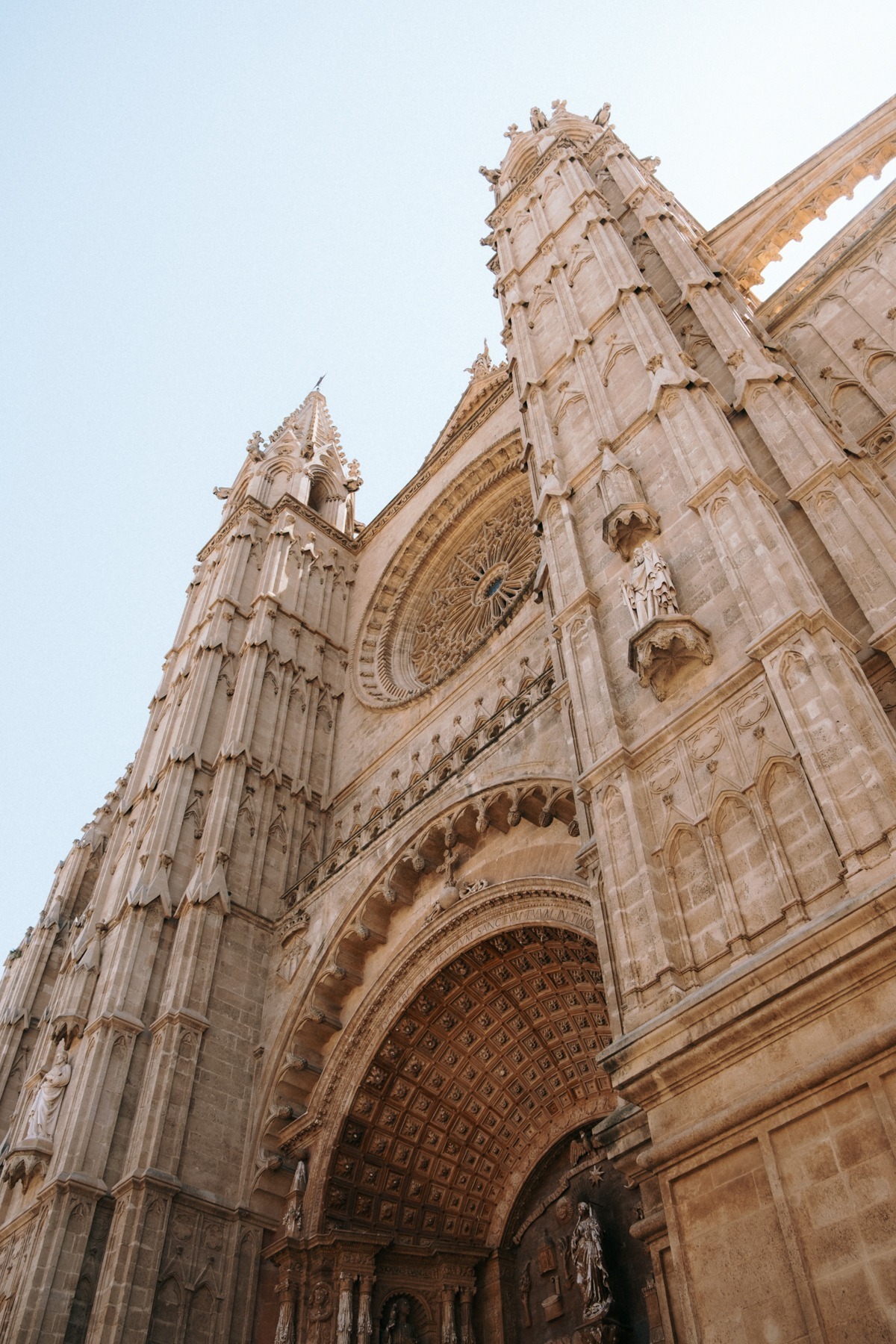
Palma is much more than the airport. The old town is easy to walk, with shady avenues, squares like Plaça Major and narrow lanes full of old courtyards. La Seu, the Gothic cathedral right by the sea, is the landmark of the city, and Antoni Gaudí worked on its interior at the start of the 20th century.
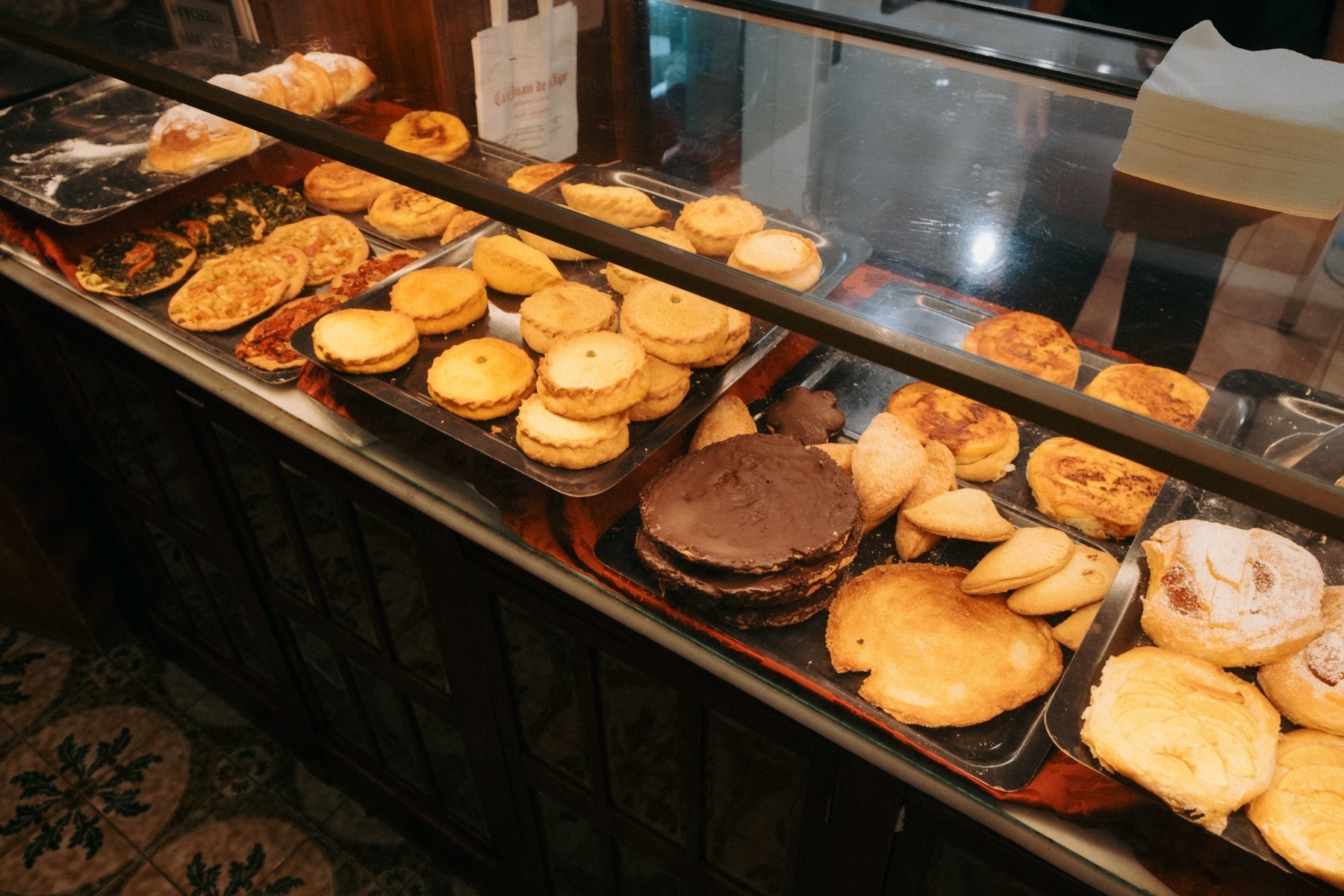
For us, Palma is also about food: bakeries full of ensaïmadas and old-style cafés that look like nothing has changed in decades.



Coves del Drac
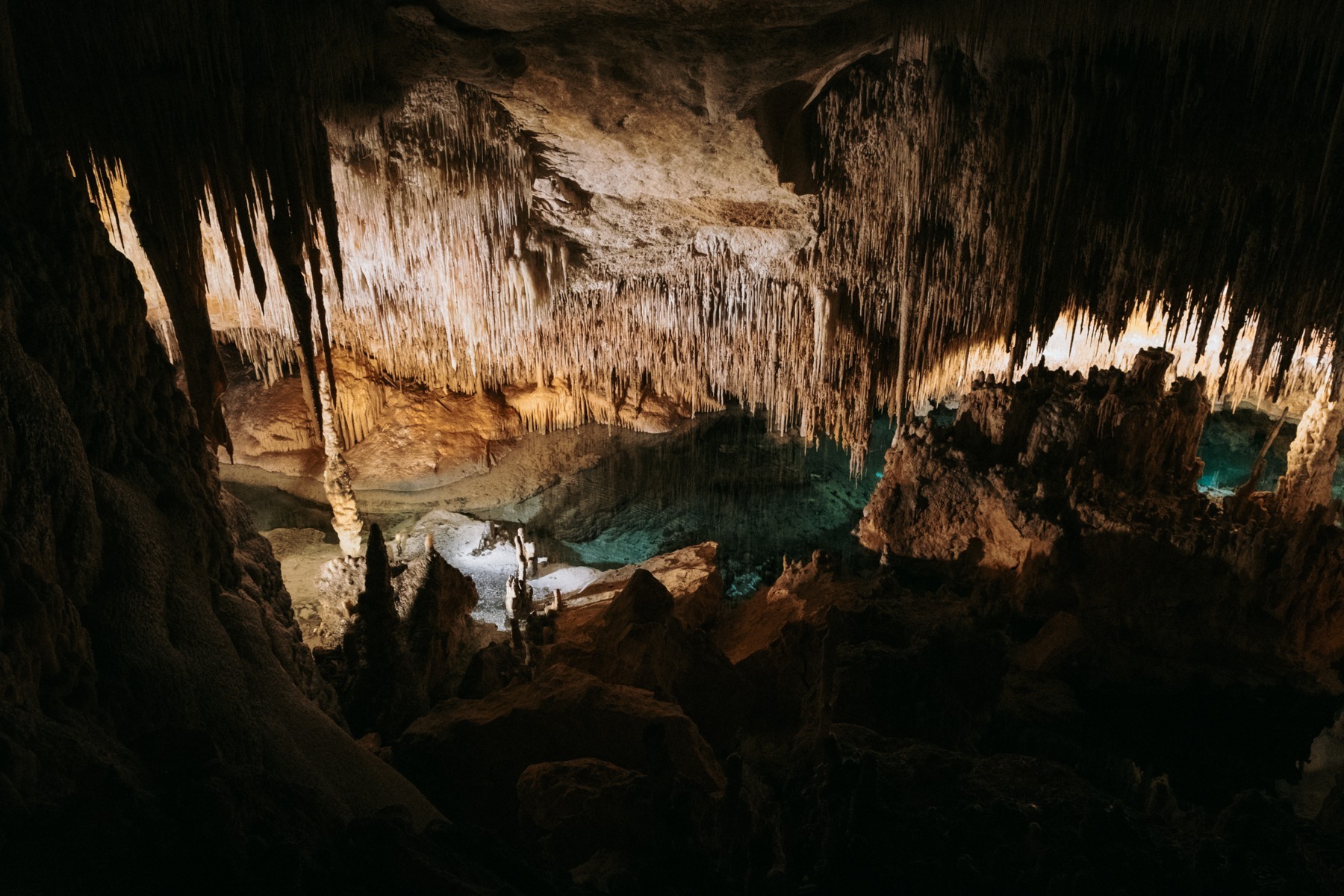
On the east coast near Porto Cristo, the Coves del Drac are one of the most visited places on the island, and they deserve it. A path of about 1.2 km leads through the caves to Lake Martel, one of the largest underground lakes in the world, where a short live classical concert is played from boats on the water, a tradition since 1935. Afterwards you can cross the lake by boat.
Book tickets online: entry is in timed groups and it is cheaper than at the door. The path has steps, so it is not suitable for buggies or wheelchairs.

Cap de Formentor and Mirador Es Colomer
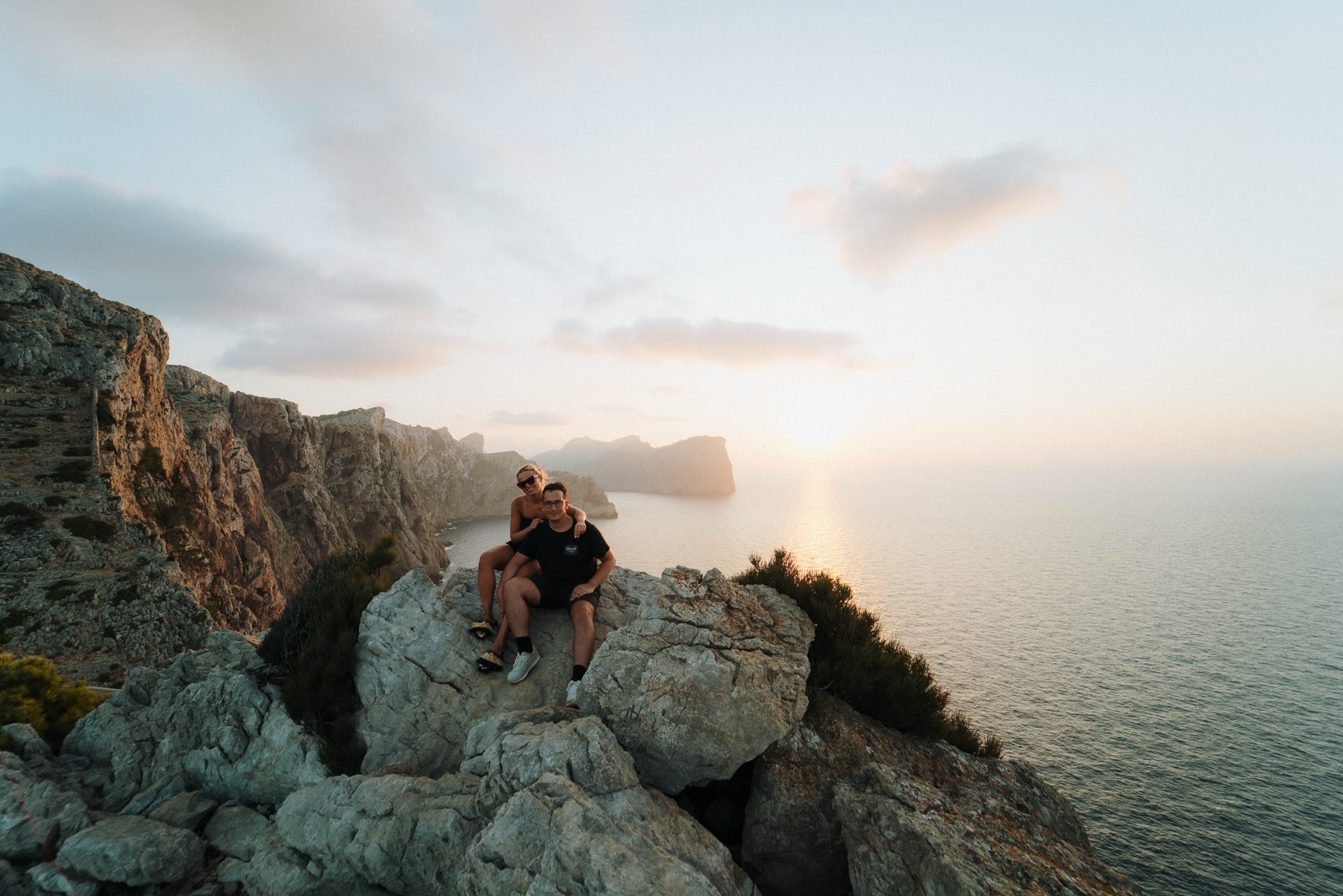
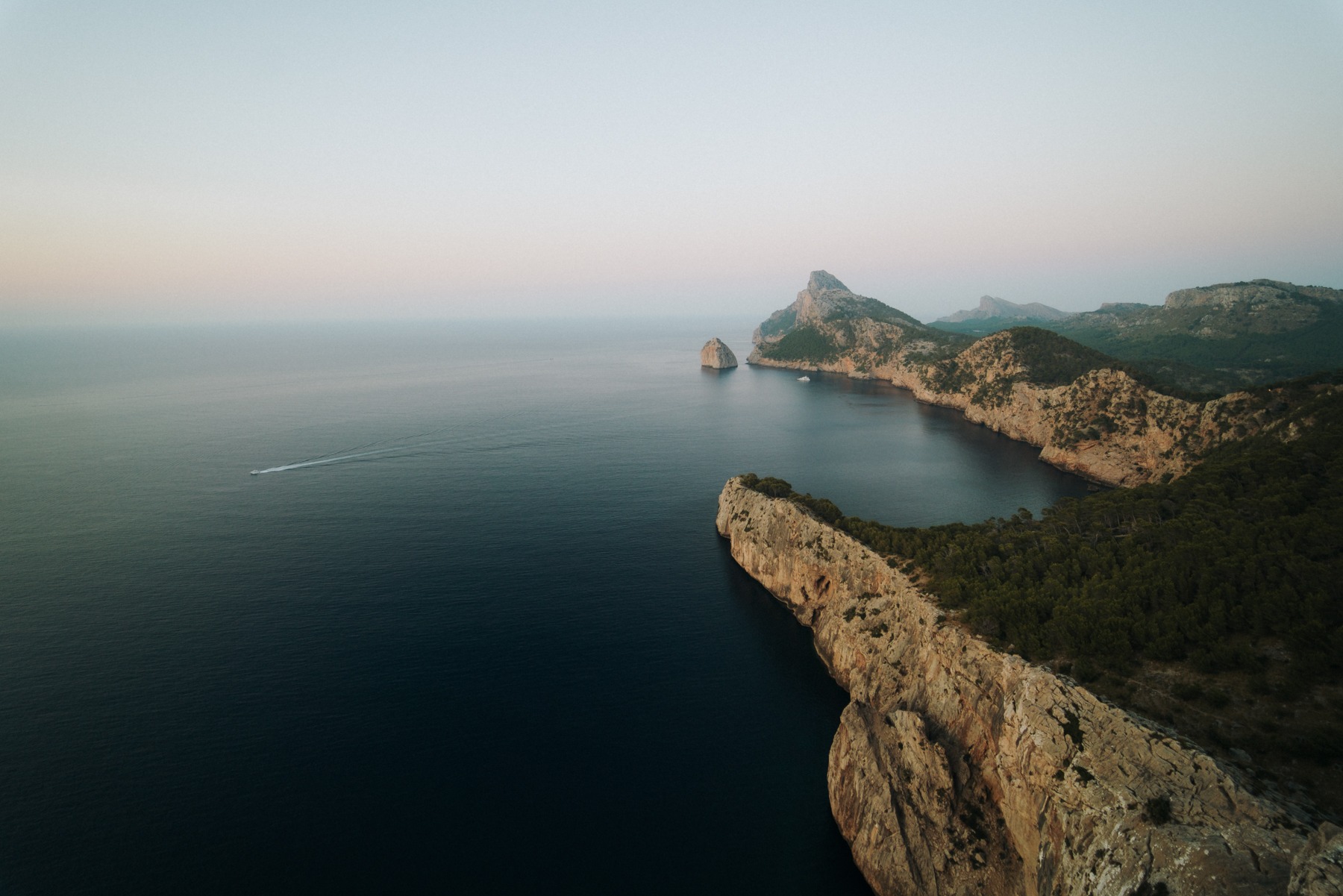
The road to Cap de Formentor in the far north is one of the most spectacular drives in Mallorca: cliffs dropping into the sea, viewpoints at every bend and the lighthouse at the end. Mirador Es Colomer, a short walk from the road, gives you the classic view of the peninsula. We came for the sunset, and the light on the cliffs was something else.
Important for drivers: in summer the road is closed to private cars during the day. In 2026 the restrictions ran from 15 May to mid-October, from 10:00 to 22:00. Between Port de Pollença and Formentor beach you can only drive in while the beach car park has space, and from the beach to the lighthouse private cars are not allowed at all. Take TIB bus 334 from Alcúdia or Port de Pollença, or drive before 10:00 or after 22:00.


Valldemossa and Port de Sóller
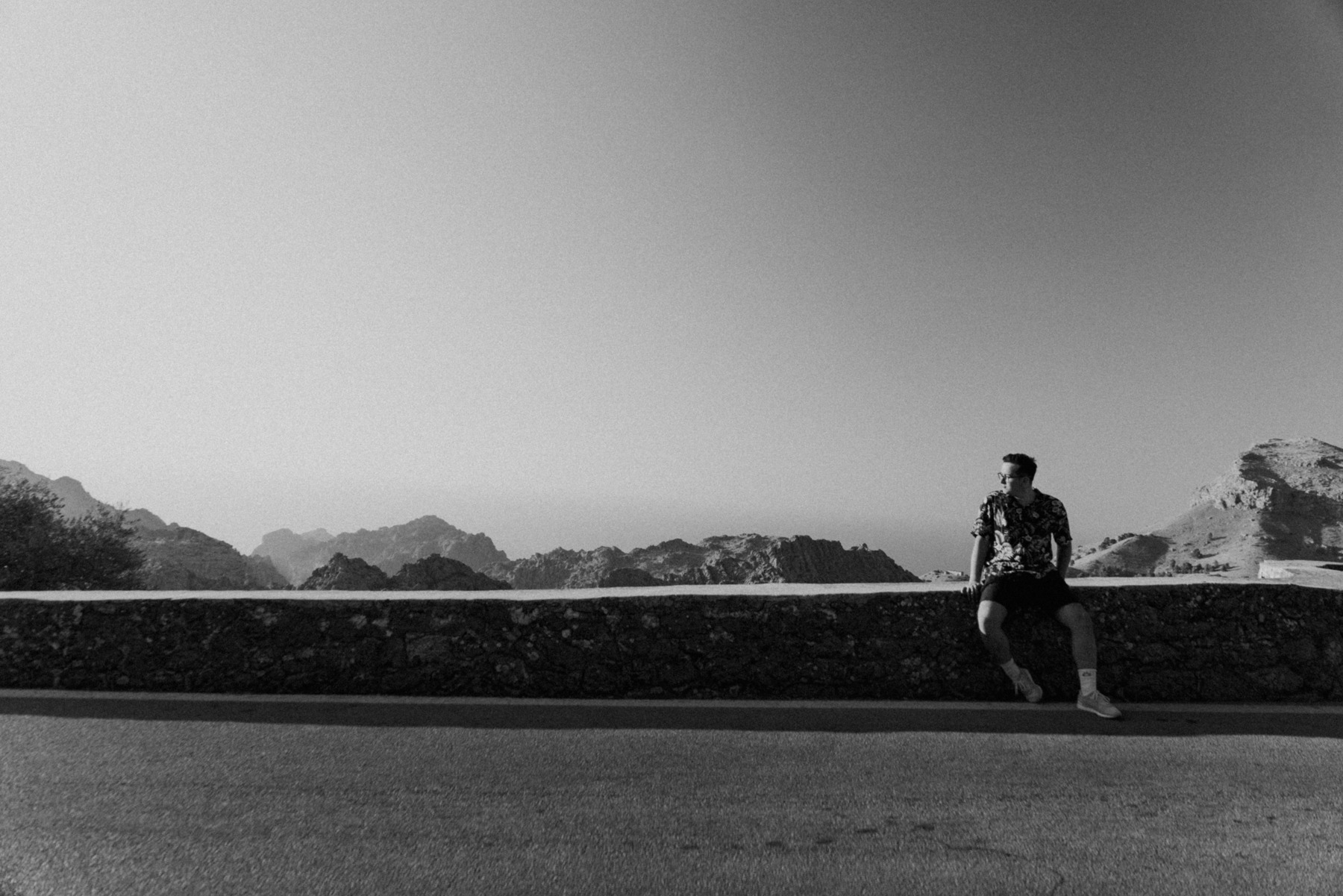
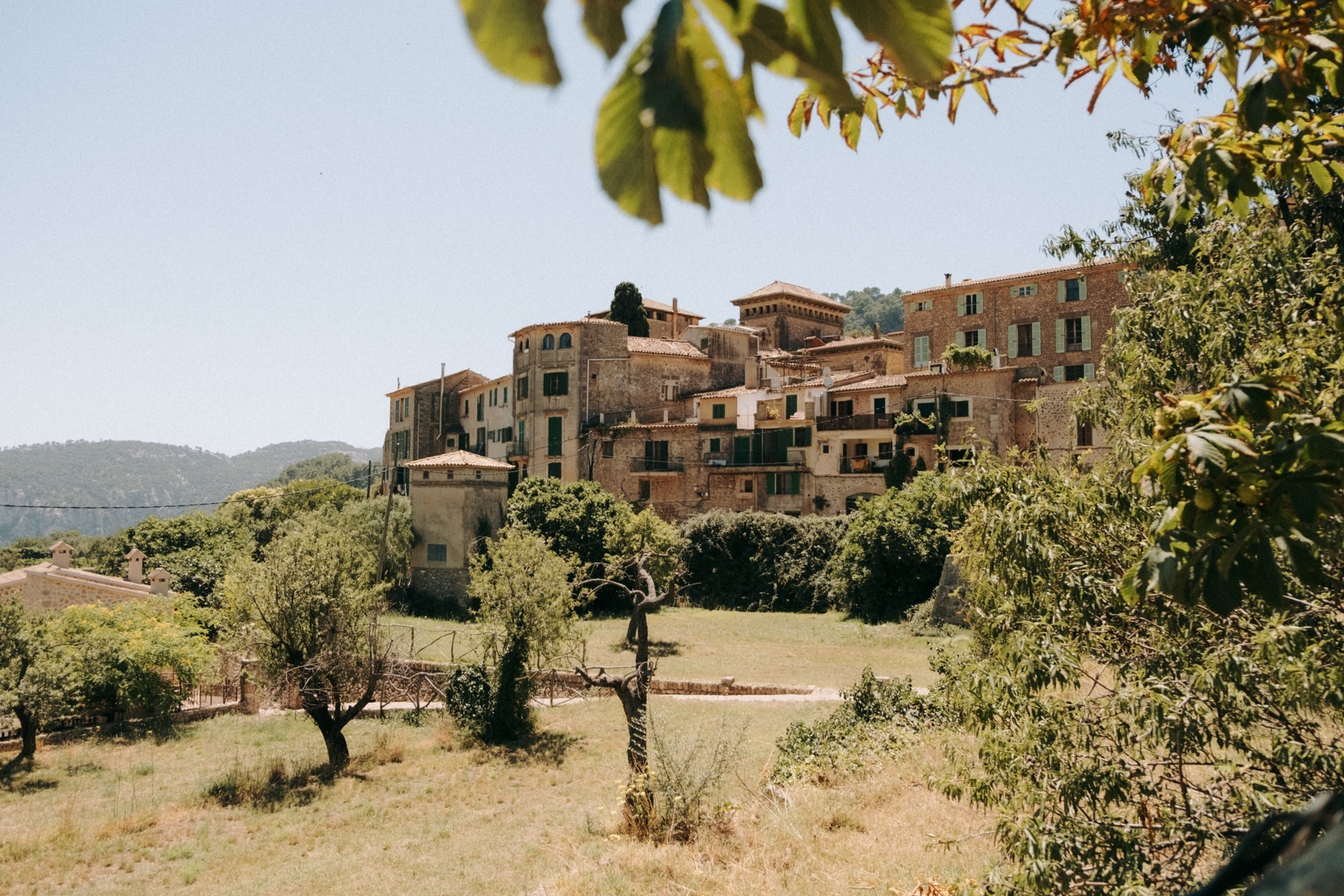
In the Serra de Tramuntana, Valldemossa is a stone village of steep lanes and flower pots, best known for the Real Cartuja, the monastery where Frédéric Chopin and George Sand spent the winter of 1838 to 1839. Try a coca de patata, the local potato bun.
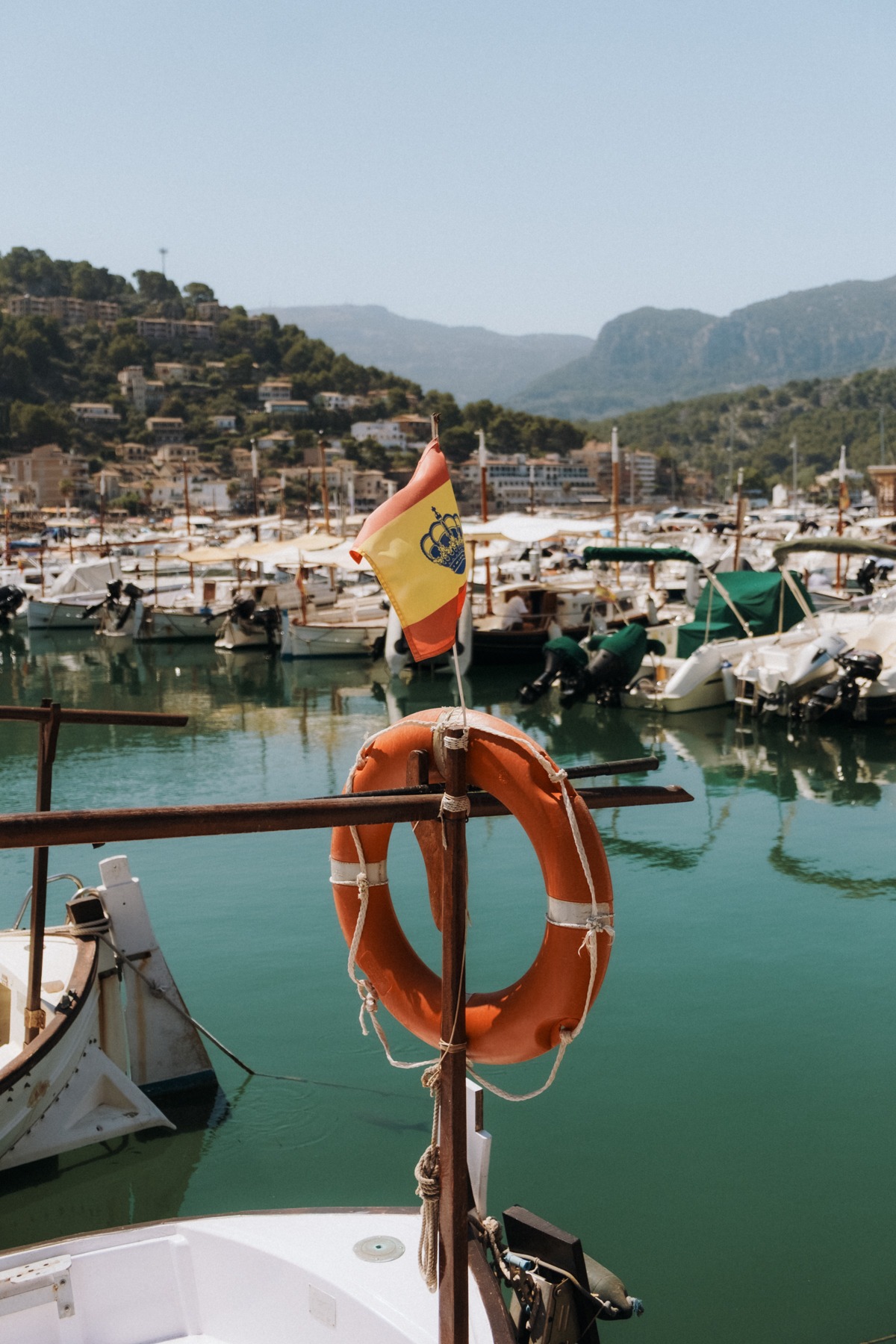
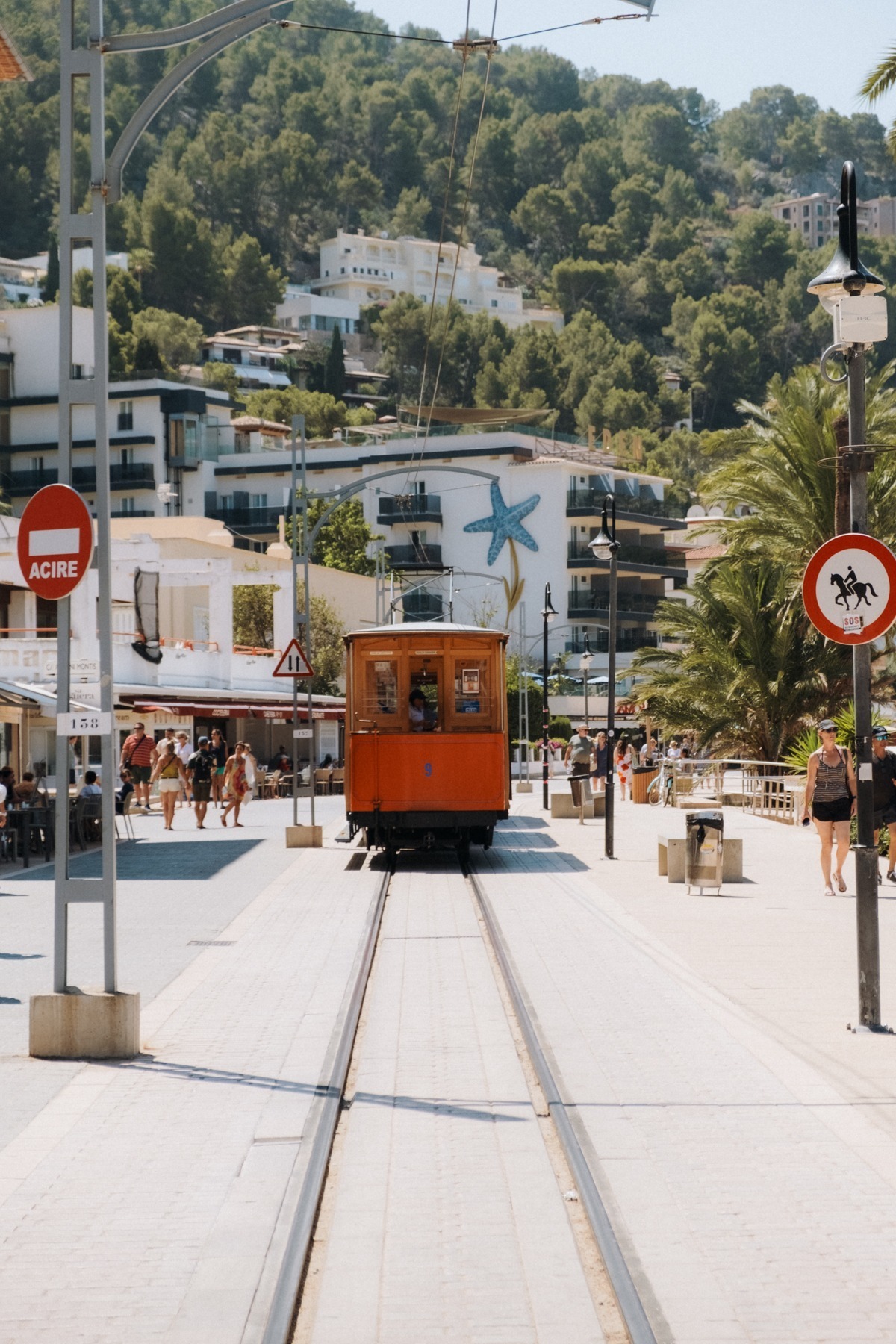
Further along the mountains, Port de Sóller sits on a round, sheltered bay. Sóller has been linked to Palma by a wooden train since 1912, and an old tram rattles down from the town to the port.

Es Pontàs and Cala Estellencs
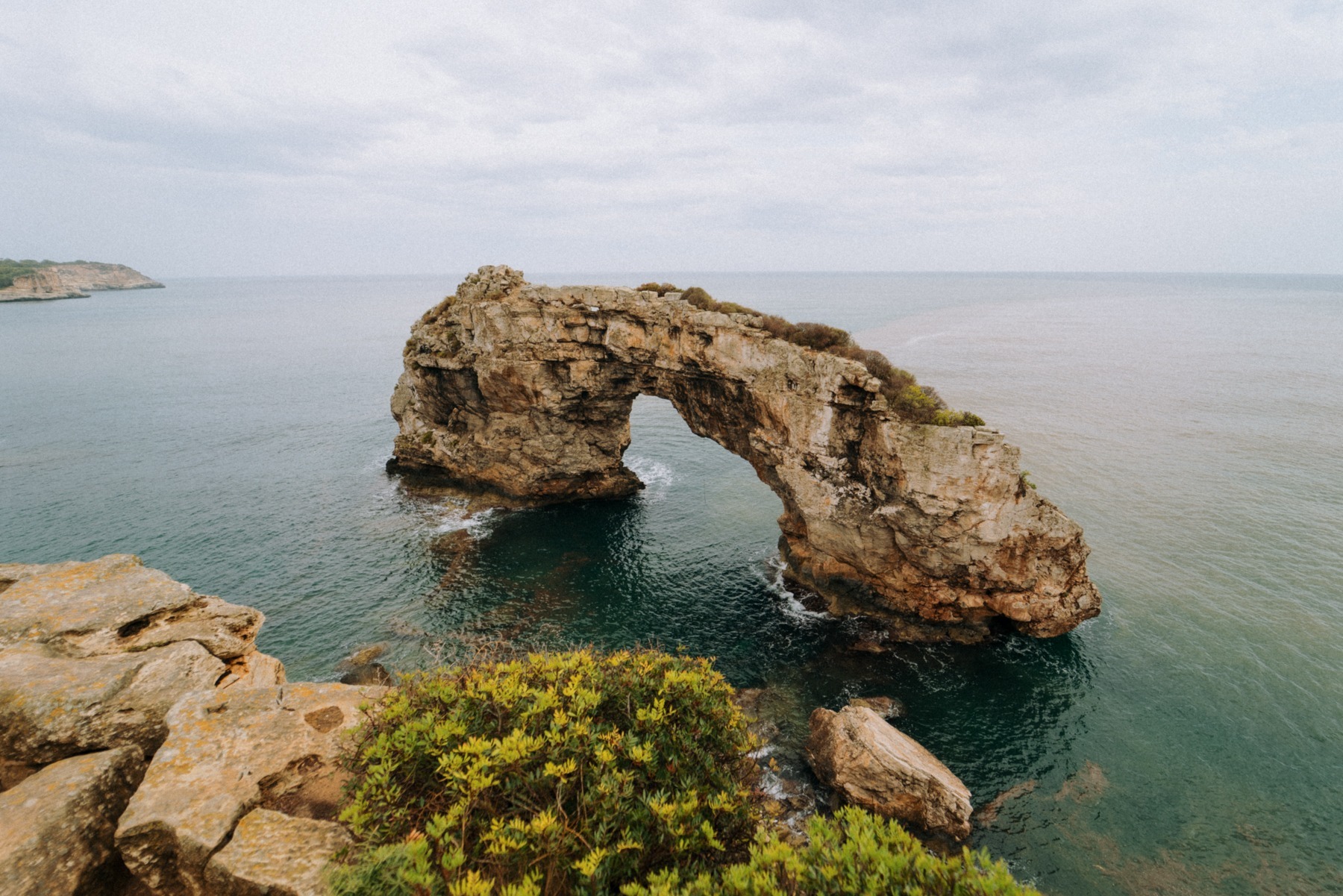
Es Pontàs, near Cala Santanyí in the southeast, is a natural limestone arch about 20 m high standing in the sea. You see it from a viewpoint reached by a short walk on rough paths, so wear proper shoes.
On the wild west coast, Cala Estellencs is a small pebble cove below the village of Estellencs, with the Tramuntana mountains dropping straight into the sea. Quiet, rough and very different from the sandy south.
Driving in Mallorca
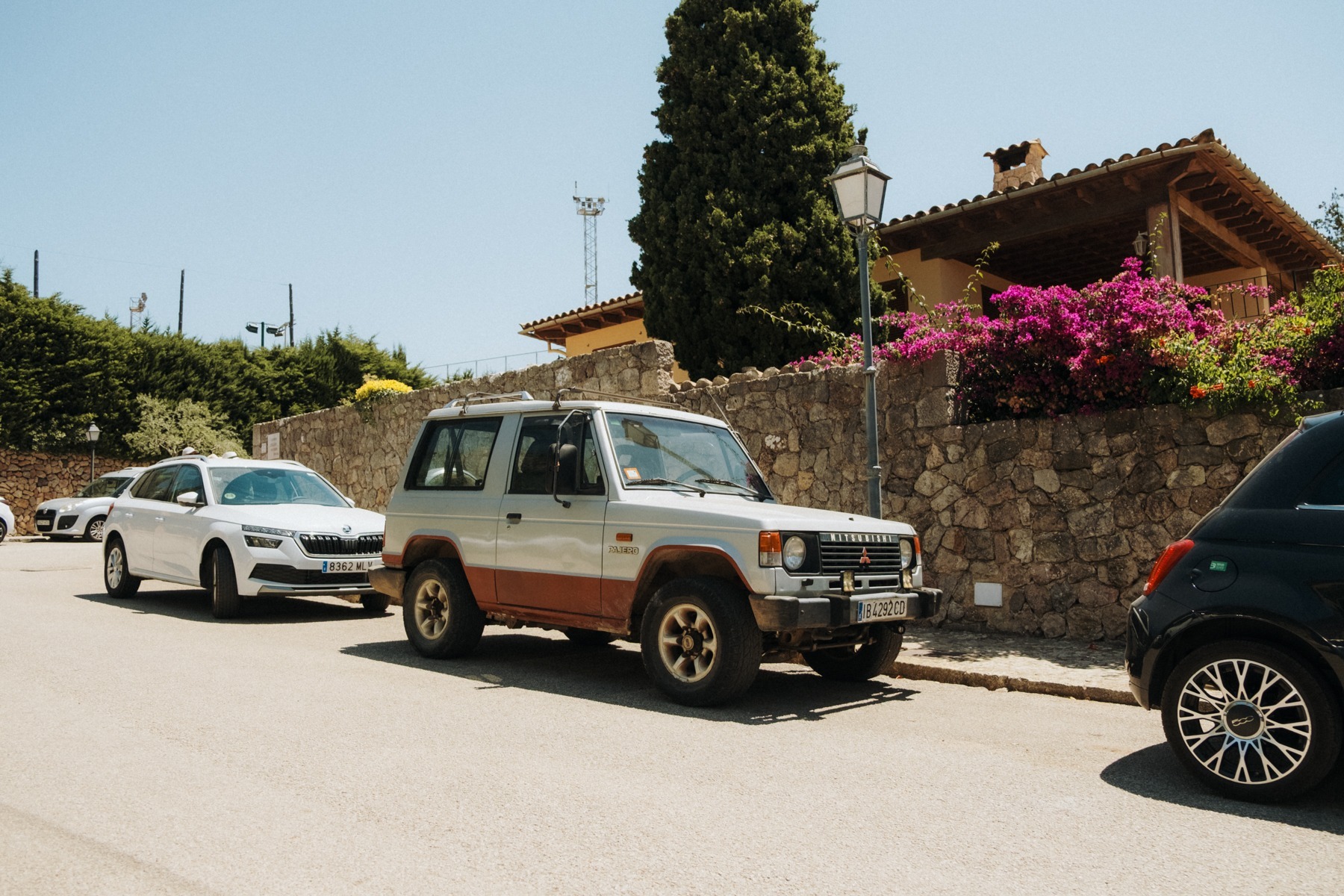
We have hired a car on every trip, and it is the best way to see the island: most of the places in this post are hard or slow to reach by bus. Book early for summer. The main roads are good, but the mountain roads in the Tramuntana and on Formentor are narrow and winding, shared with cyclists and coaches. Parking near the popular beaches fills up early, and some car parks, like the one at Es Trenc, are paid.
Why Mallorca is our favourite island
Because it has everything within an hour or two: turquoise coves, wild mountains, a real city, villages full of history, great food and friendly people. After four trips it is the variety that keeps us coming back.
FAQ
Do you need a car in Mallorca?
Not for Palma, but for the coves, the mountains and Formentor a rental car makes everything much easier. We have used one on all four trips.
Can you drive to Cap de Formentor?
Not during the day in summer. From mid-May to mid-October the road is closed to private cars from 10:00 to 22:00, so take TIB bus 334 or drive early in the morning or late in the evening.
What are the best beaches in Mallorca?
Our favourites are Cala Varques, Es Trenc, Cala Mondragó and Cala Agulla, each very different. In summer, go early.
Do you need to book Coves del Drac in advance?
It is best to. Entry is in timed groups, and online tickets are cheaper than at the door.
Final thoughts
Mallorca is not a secret, and in summer its best places are busy. But after four trips it still surprises us: one day turquoise coves, the next mountain roads and village cafés, then the old streets of Palma. If you can, rent a car, start early and give it more than a few days.