At a glance
Good for: anyone with a car who wants the quieter side of the Costa Brava: medieval walls, coves, a family winery and a great coastal road.
Not for: beach-resort nightlife. That is Lloret de Mar's job.
Getting there: we drove down from Hamburg, where we lived at the time. The alternative is flying into Girona or Barcelona and renting a car.
Where we stayed: Camping Cala Llevadó between Tossa de Mar and Lloret de Mar, in collaboration with Vacanceselect.
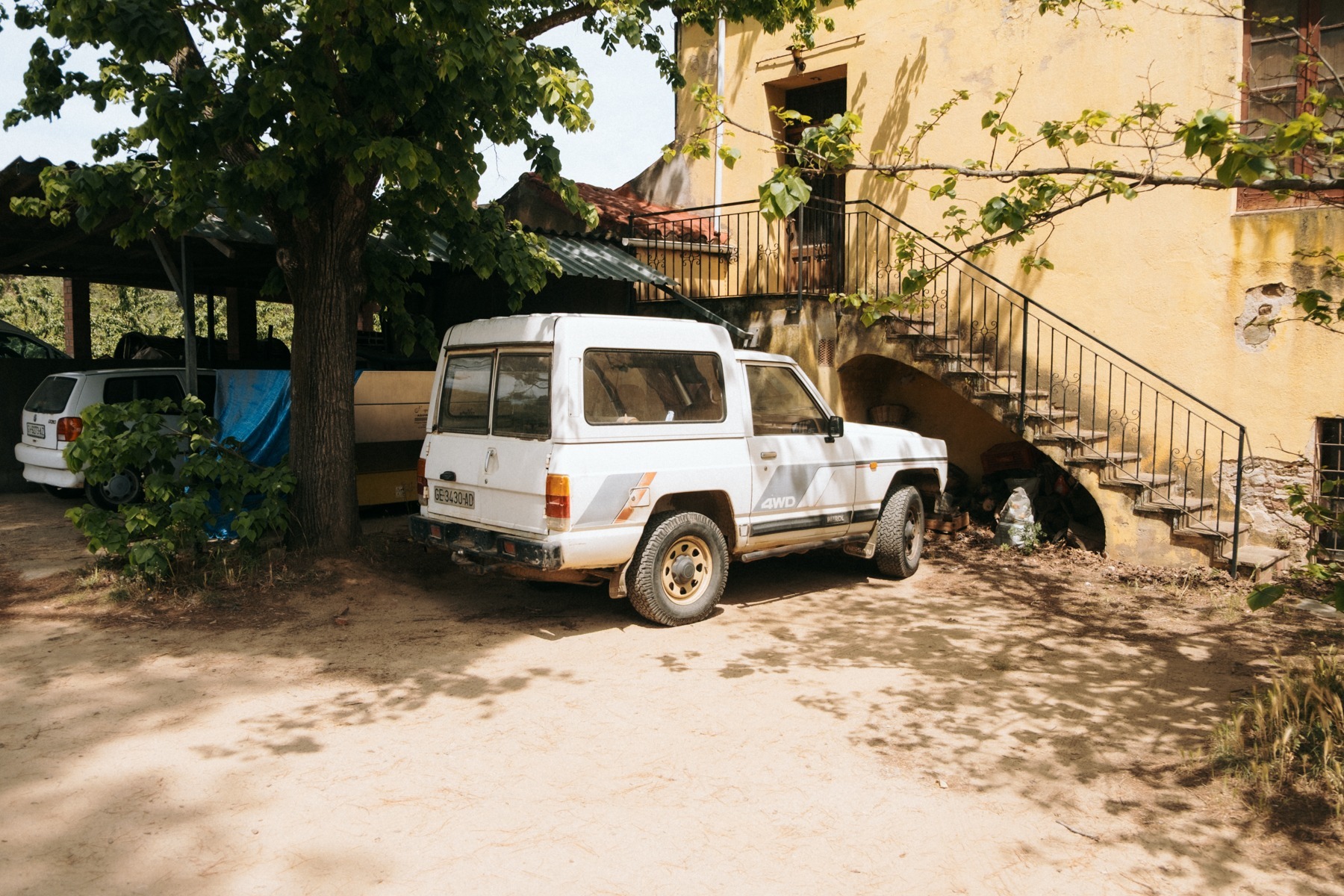
Our trip: May 2023, the two of us in our Land Cruiser, as part of a longer road trip through Spain.
Getting to the Costa Brava
The Costa Brava is the rocky coast of Catalonia, from Blanes up to the French border. We drove there from Hamburg, where we lived at the time, in our Land Cruiser: about 1,700 km through Germany and France, so plan at least one night on the way. If you would rather not drive that far, fly into Girona or Barcelona and rent a car there. You will want one, because the coves, villages and wineries are spread out and much easier to reach by car.
Catalan language and food
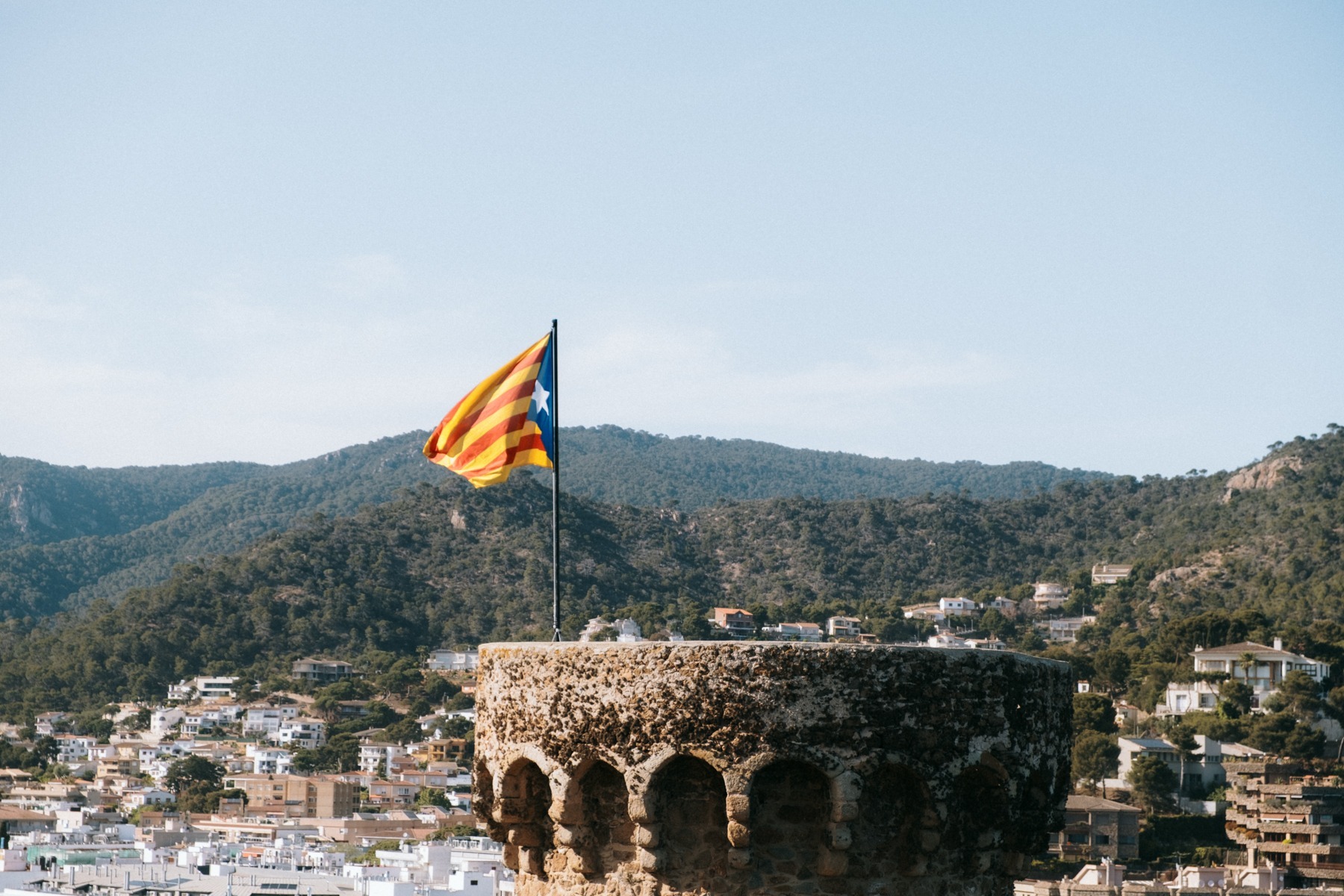
The Costa Brava is in Catalonia, where Catalan and Spanish are both official. Many signs are only in Catalan, so it helps to know that platja means beach and carrer means street. People here are proud of their identity, and you will see Catalan flags everywhere.
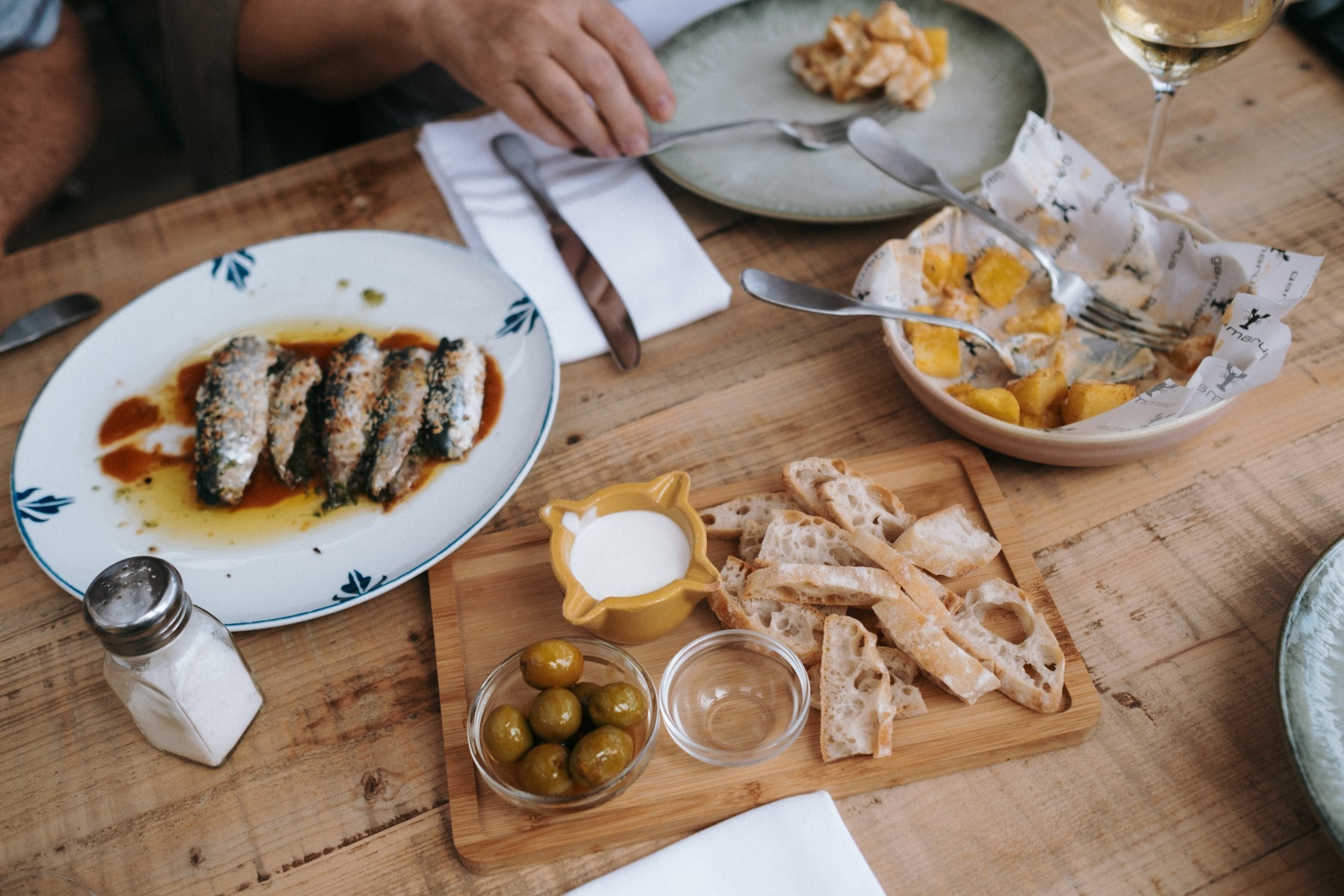
The food alone is worth the trip: fideuà, a paella-like dish made with short noodles instead of rice, grilled sardines with allioli, and crema catalana for dessert.
Our base: Camping Cala Llevadó
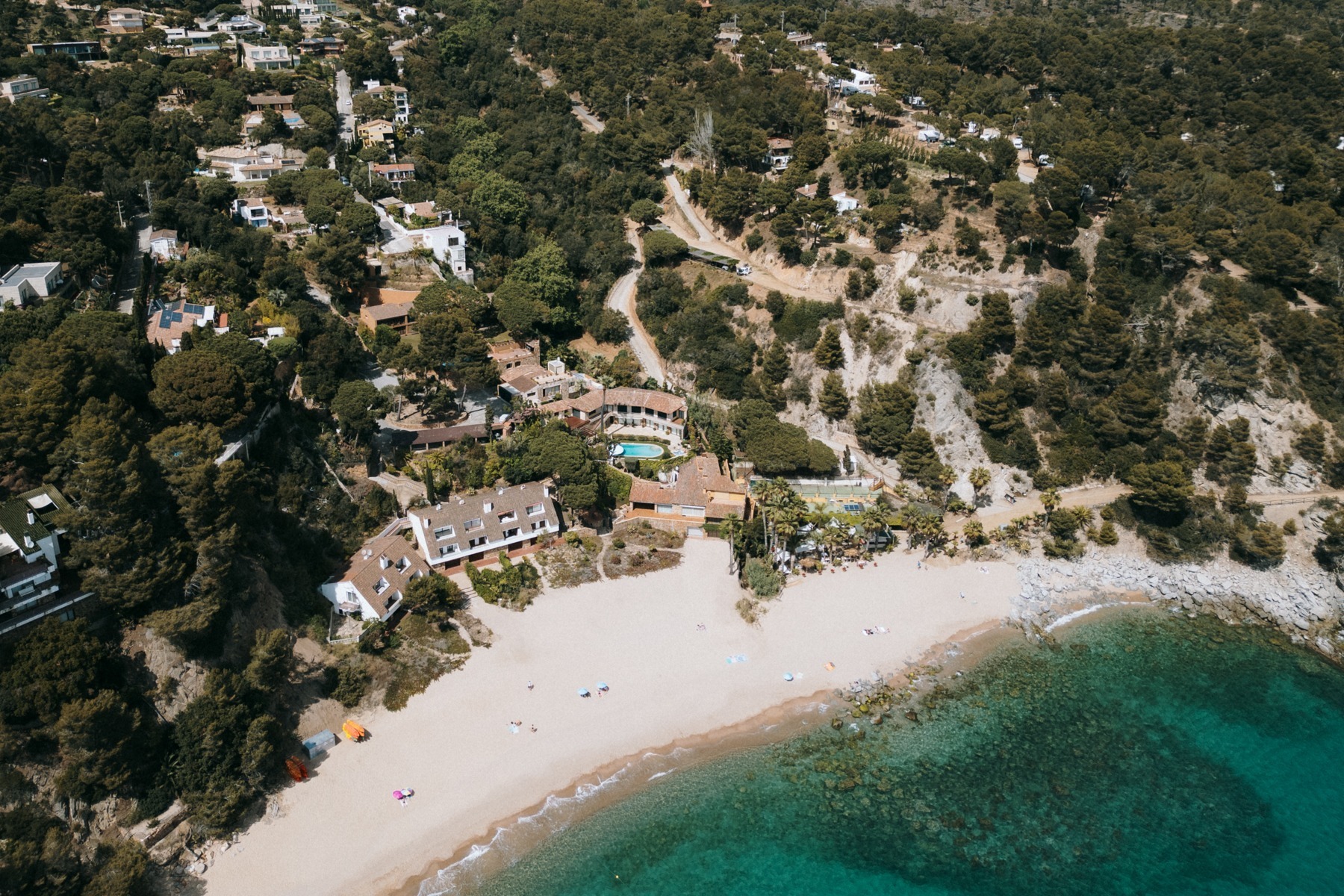
We stayed at Camping Cala Llevadó, on a pine-covered hillside between Tossa de Mar and Lloret de Mar, in a mobile home from Vacanceselect. Our cabin had no direct sea view, but the campsite has its own coves and a beach bar, and it was a perfect base for day trips.
Disclosure: this stay was a collaboration with Vacanceselect, and Ola worked for the company at the time. Everything about the campsite is in our full review of Camping Cala Llevadó.
Tossa de Mar and the Vila Vella
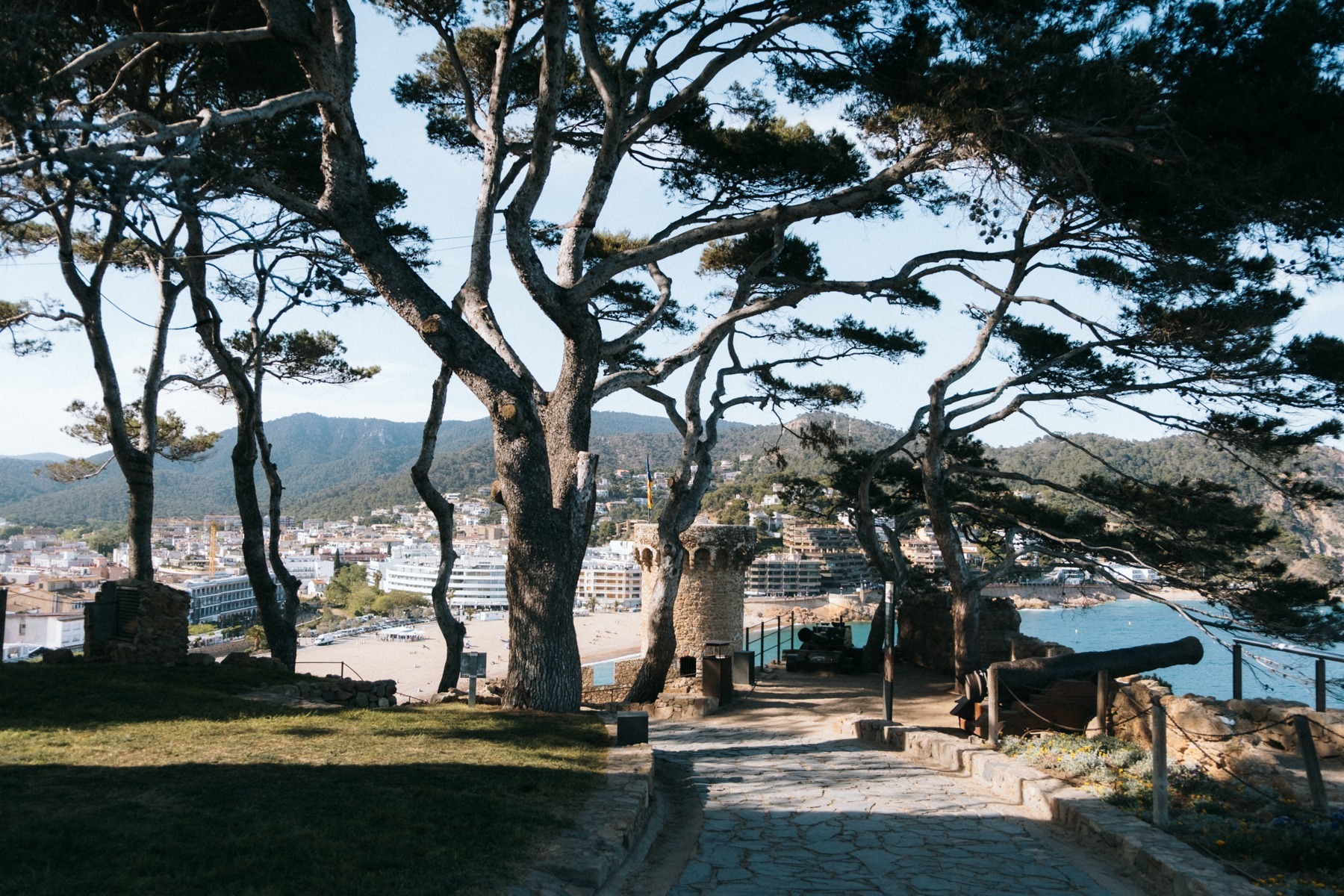
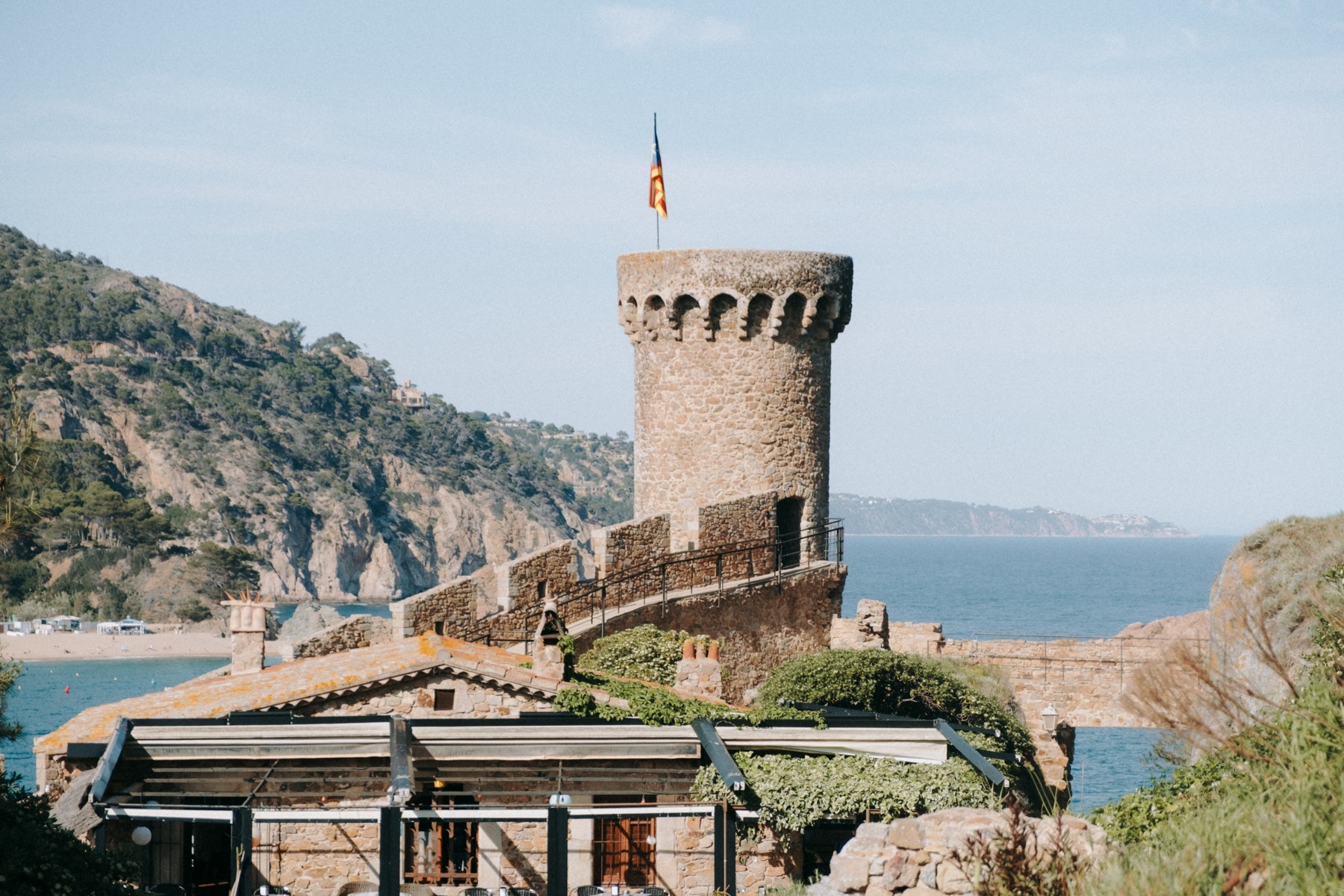
Tossa de Mar was one of the highlights of the trip. Its old town, the Vila Vella, sits on a headland above the beach, surrounded by walls and towers built between the 12th and 14th centuries, and it is the only fortified medieval town left on the Catalan coast. Walk the walls for the views, then get lost in the narrow lanes full of flowers and small restaurants.
In 1950 Ava Gardner came here to film Pandora and the Flying Dutchman, and a bronze statue of her now looks out over the bay from the old town.

Mas Molla: 700 years of wine in Calonge
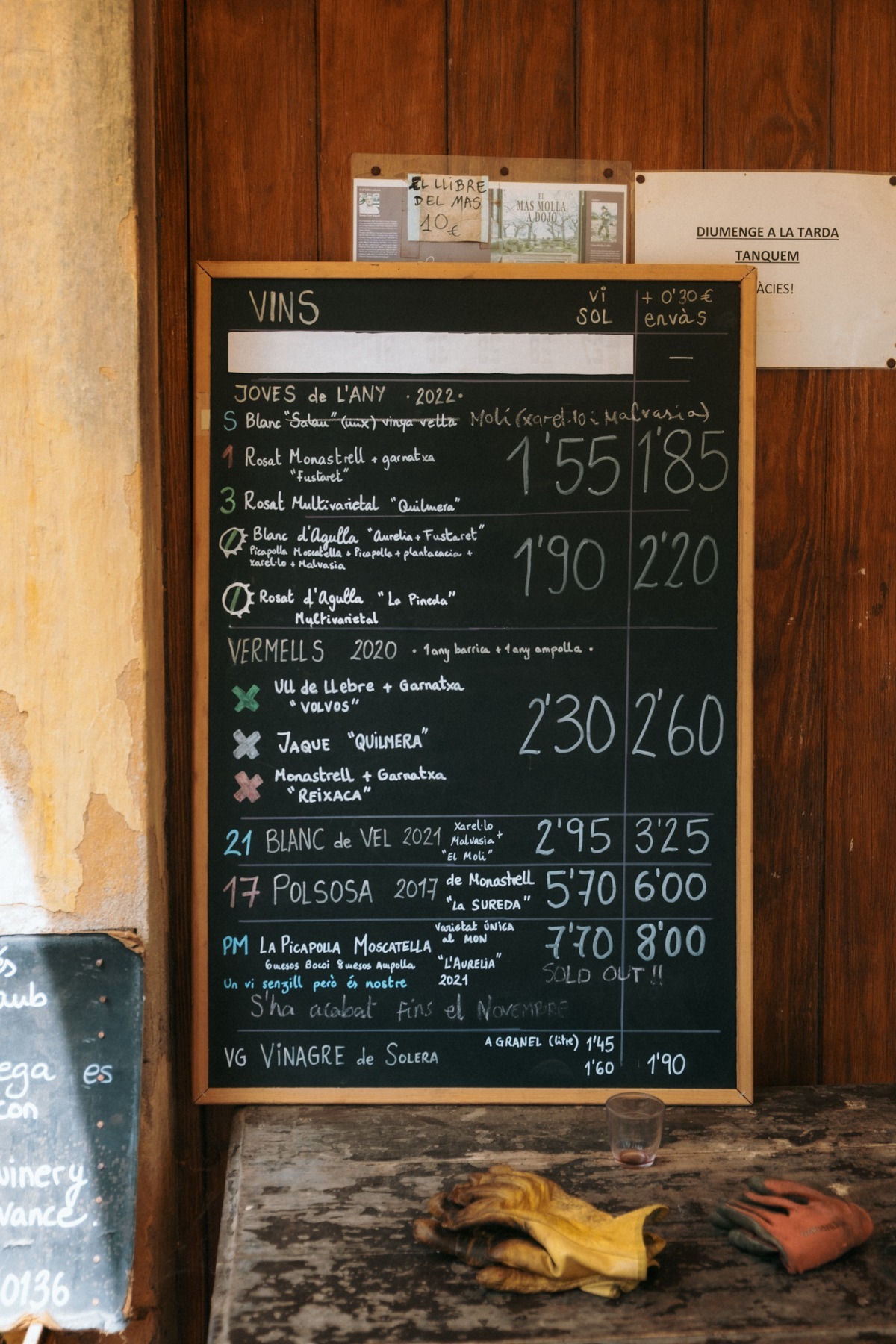
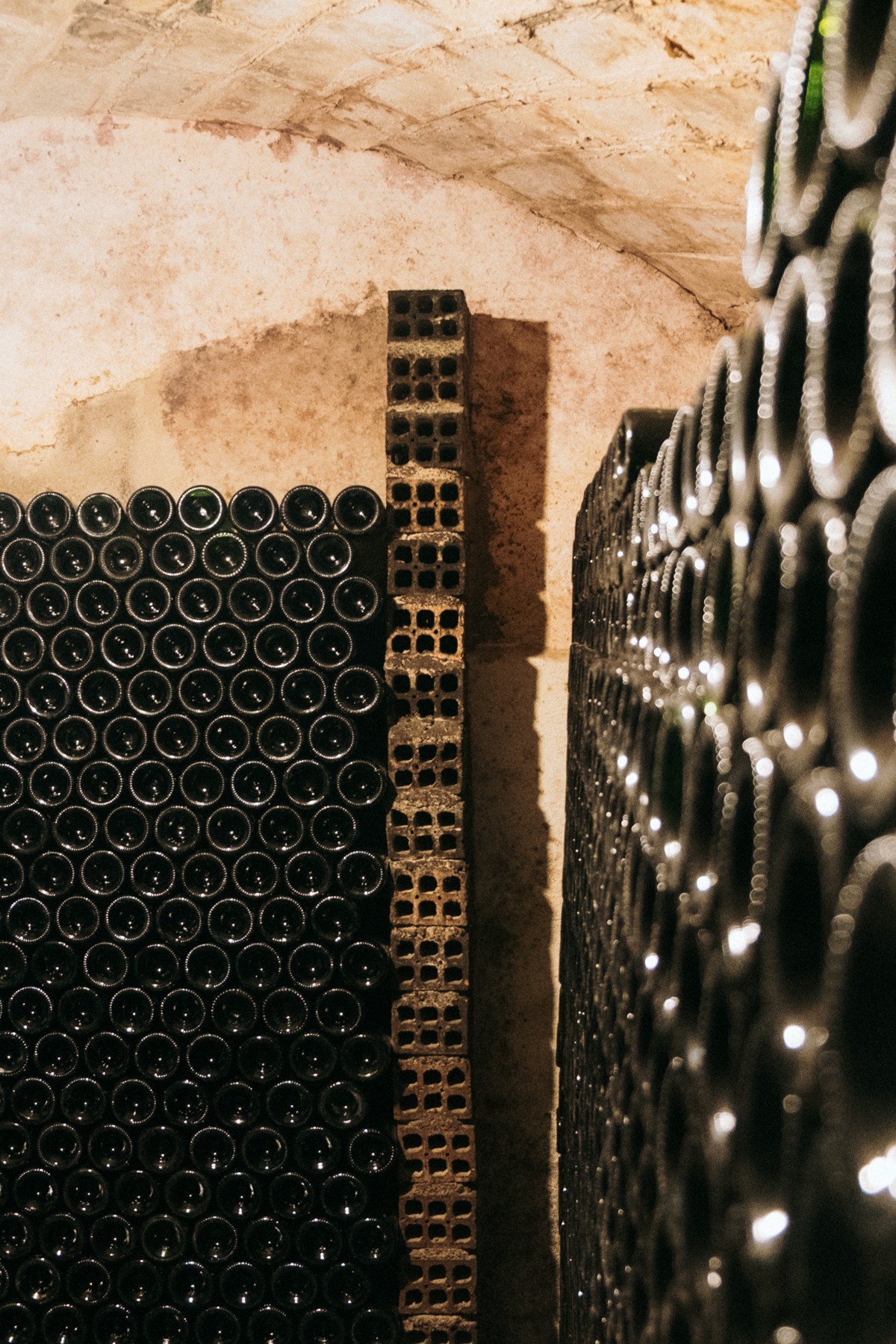
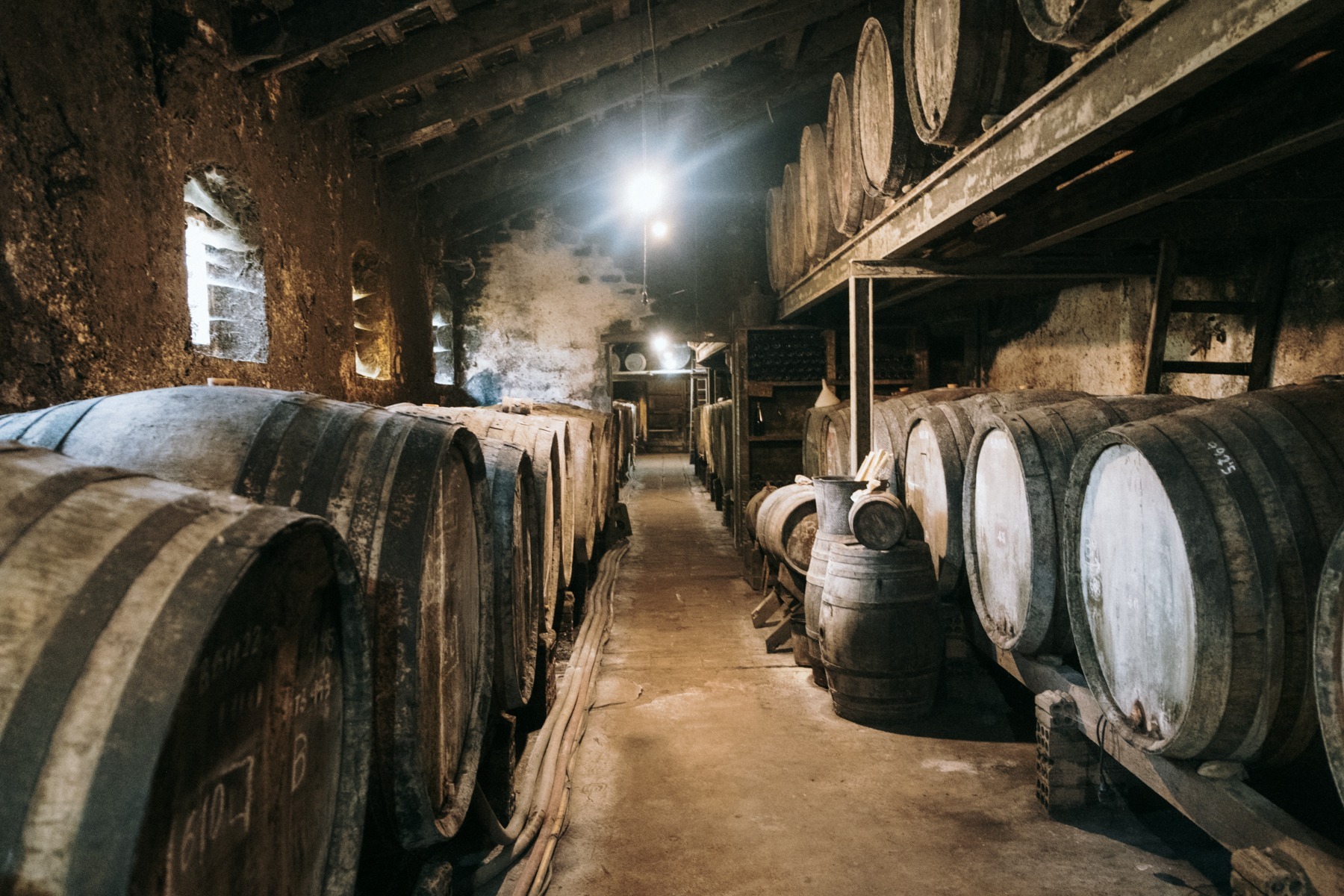
Further north, near Calonge, we visited Mas Molla, a farm where the same family has worked the land since at least 1338. They make simple, traditional farmer's wine, vi de pagès, and sell it straight from the farm at very low prices. The chalkboard price list says it all.
Expect rustic, natural wines that change from year to year, and the occasional bottle that has not aged well. What made the visit for us were the stories the family told about the farm. Bring cash.
The GI-682: the road of 365 bends
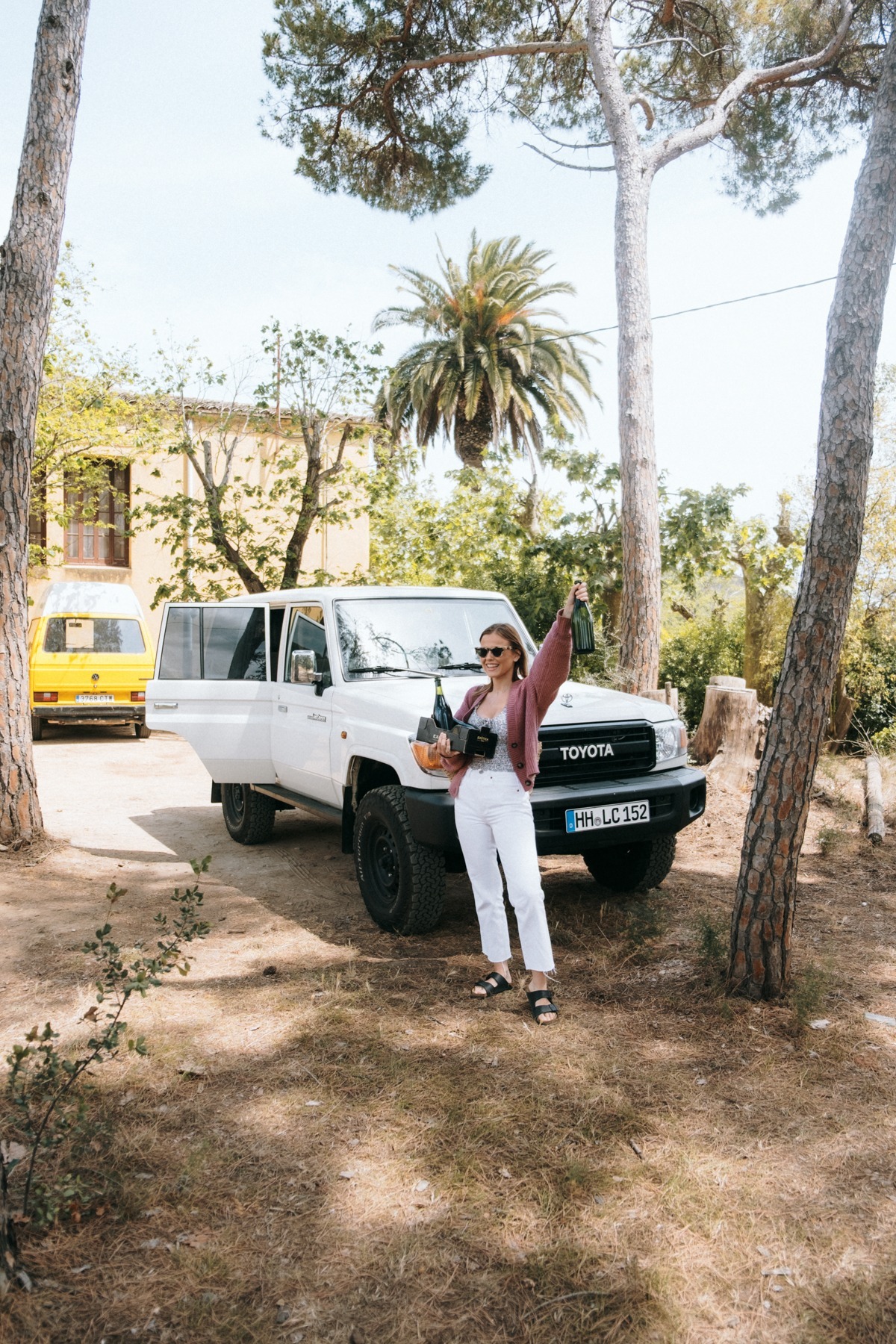
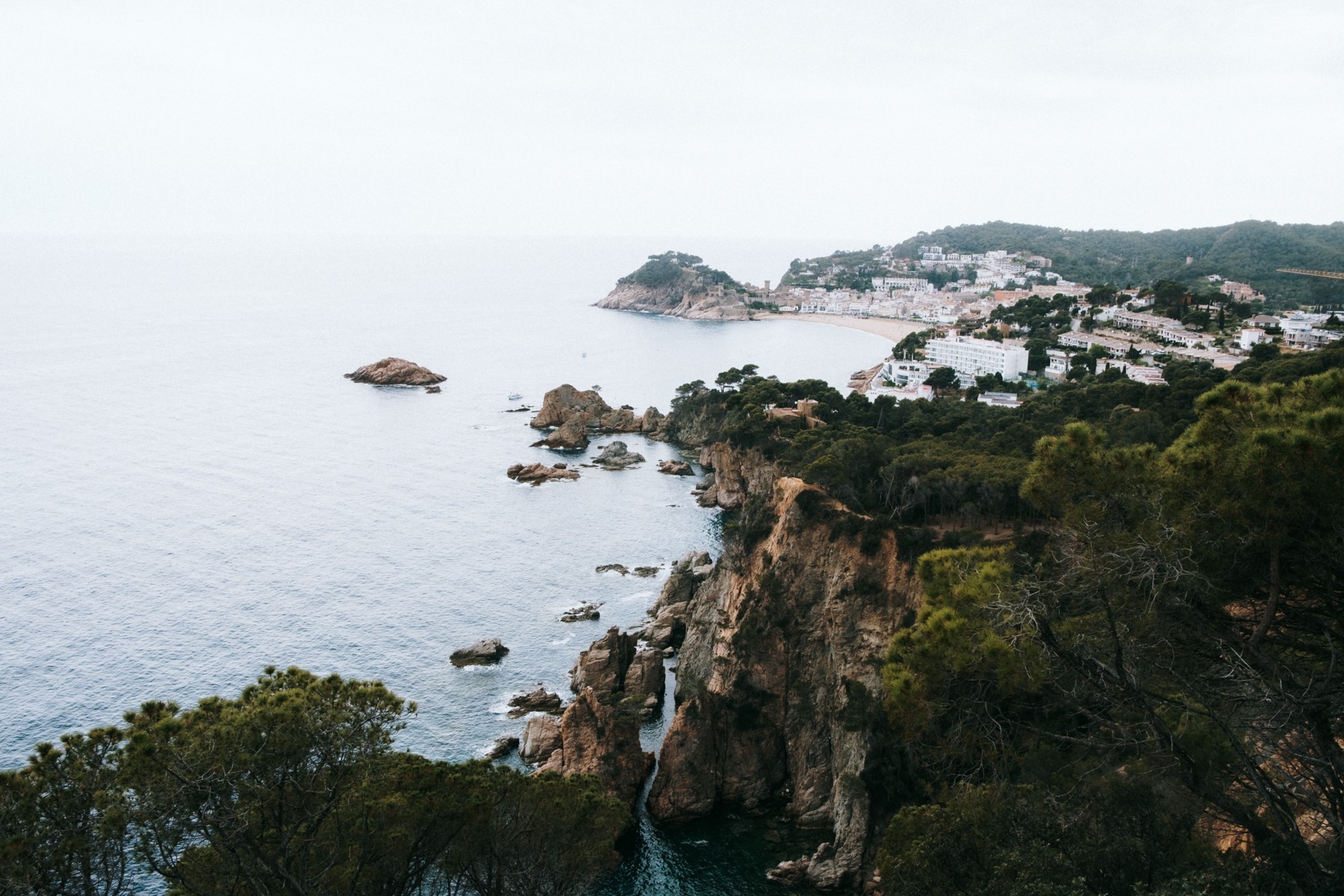
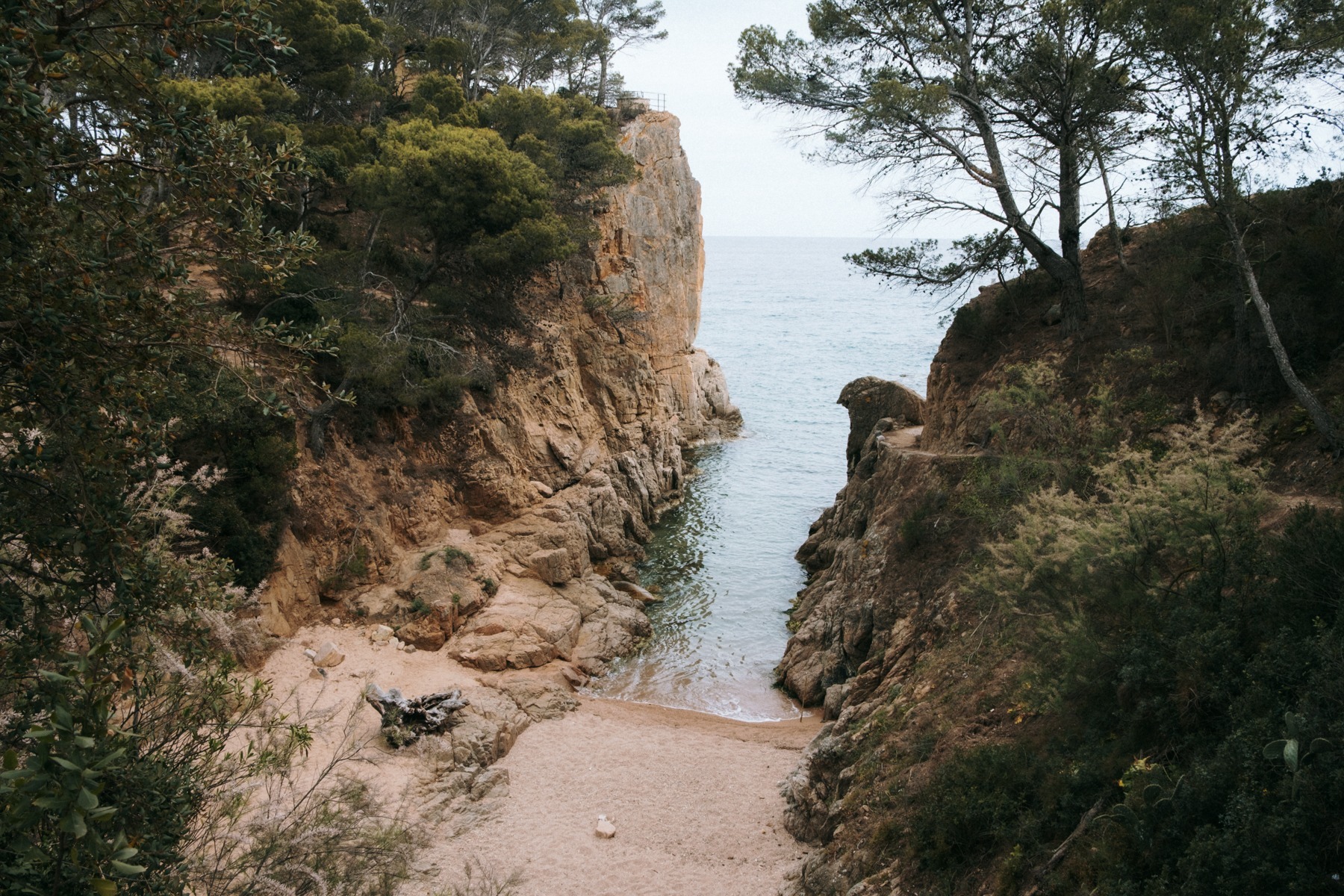
The highlight of the drive was the GI-682, the coastal road between Tossa de Mar and Sant Feliu de Guíxols. It is about 22 km long, and locals say it has 365 bends, one for every day of the year. Cliffs, pine forest, small coves and viewpoints at almost every turn.
It is narrow and slow, shared with cyclists and without shoulders, so take your time and use the pull-outs. The stretch south from Tossa to Lloret de Mar is just as winding.
How we would plan a few days here
Base yourself between Tossa de Mar and Lloret de Mar. Spend a morning in the Vila Vella before the day-trippers arrive, drive the GI-682 to Sant Feliu de Guíxols and carry on to Calonge for a visit at Mas Molla. Leave the afternoons for the coves.
FAQ
Where is the Costa Brava?
It is the rocky northern coast of Catalonia, from Blanes up to the French border, starting about an hour north of Barcelona.
What is the GI-682?
A winding coastal road of about 22 km between Tossa de Mar and Sant Feliu de Guíxols, nicknamed the road of 365 bends, with viewpoints and coves along the way.
Is Tossa de Mar worth visiting?
Yes. Its Vila Vella is the only fortified medieval town left on the Catalan coast, and walking its walls above the sea is one of the best things to do on the Costa Brava.
Do you need a car on the Costa Brava?
It helps a lot. Coves, villages and wineries like Mas Molla are spread out, and the coastal roads are an attraction in themselves.
Final thoughts
The Costa Brava has its crowded resorts, but just off the main roads it still feels wild: medieval walls above the sea, coves you walk down to, a farm making wine the way it has for 700 years and one of the most beautiful coastal roads in Spain.
Read our full review of Camping Cala Llevadó, and why we think Spain is great for overlanding.