At a glance
Route: Hamburg, through Switzerland and France to the Costa Brava, across Andalusia to Gibraltar, and back north through the Bardenas Reales.
Time: three weeks in May 2023.
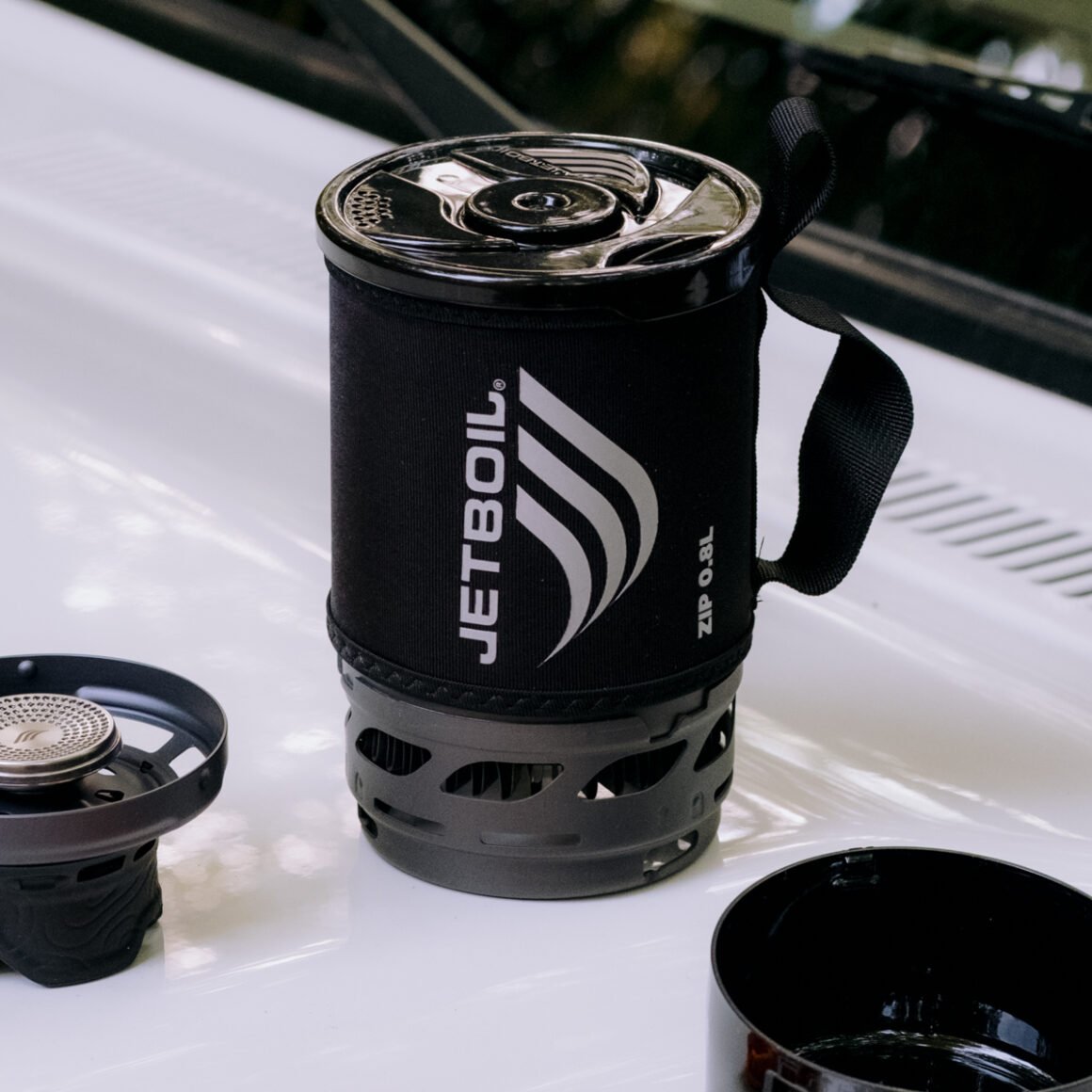
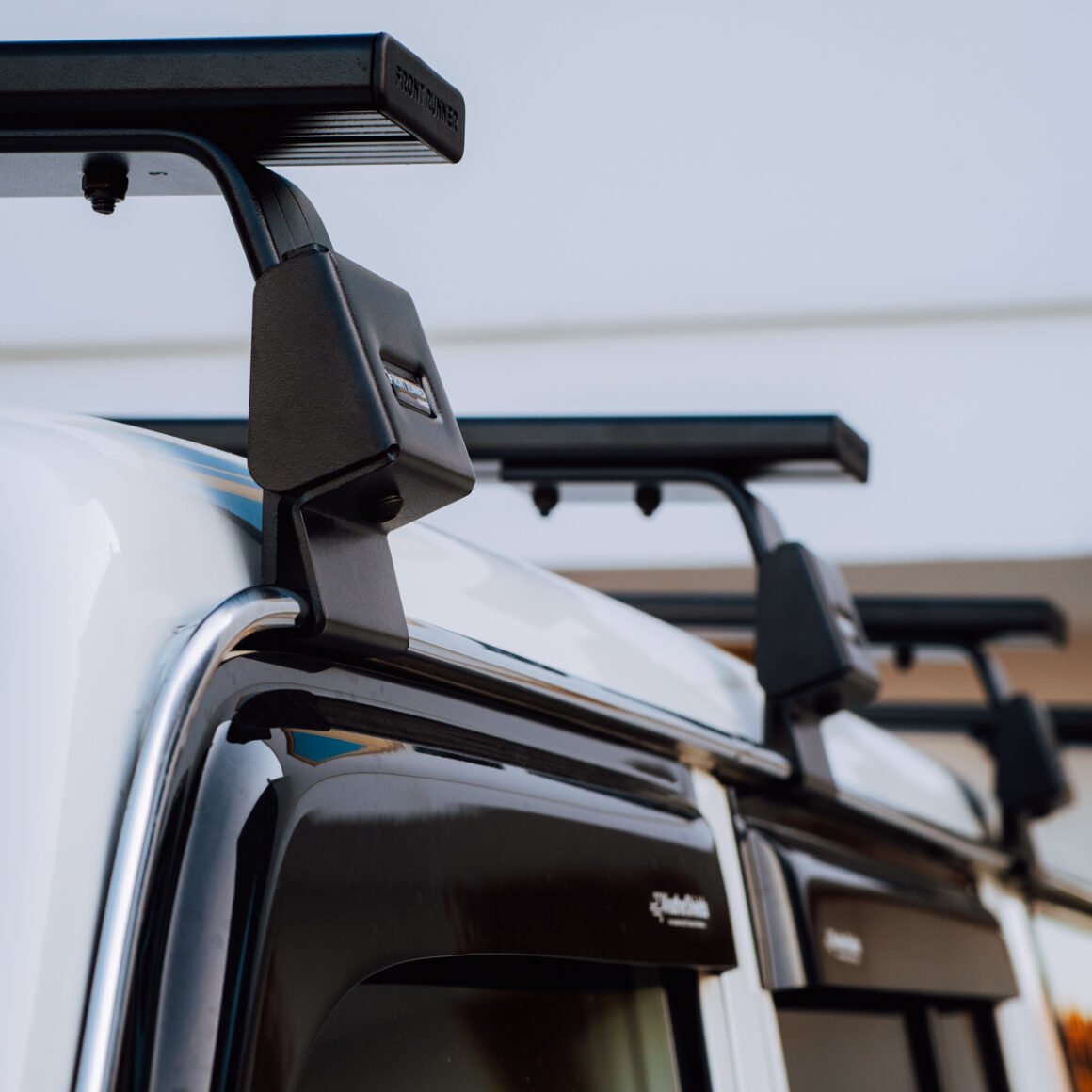
Vehicle: our Land Cruiser 76 with an Escape Vans camping build in the back.
Sleeping: a mix of campsites, wild spots and other stays.
Good for: anyone who wants coast, desert and mountains in one trip.
Good to know: wild camping is generally not allowed in Spain, and natural parks enforce it.
Why Spain is great for overlanding
Few countries in Europe pack so much variety into one road trip. In three weeks we went from the rocky coves of the Costa Brava to desert badlands, white mountain villages, a volcanic coastline and the clay towers of Navarra. Roads are good, there are endless dirt tracks to explore, spring is warm without being too hot, and the food alone is worth the drive. Spain also has a rich cultural side, from medieval walled towns to the Alhambra in Granada.
Our route
We drove from Hamburg, where we lived at the time, through Switzerland and France to the Costa Brava. From there we headed south into Andalusia: a day of driving in the Gorafe Desert, white villages in the mountains, Cabo de Gata and the Western film sets of the Tabernas desert, all the way down to Gibraltar. On the way back north we stopped in the Bardenas Reales in Navarra before the long drive home.
Costa Brava
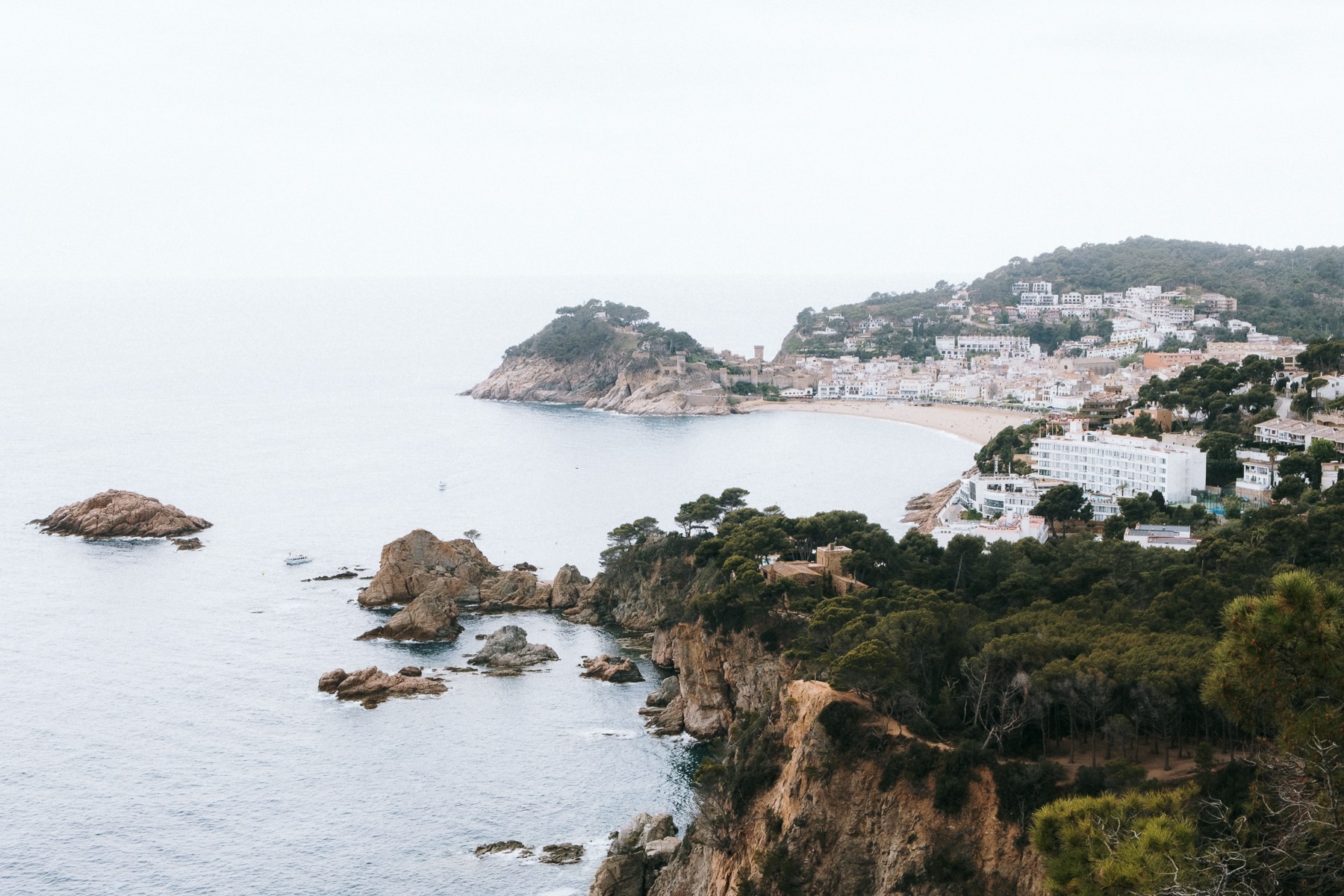
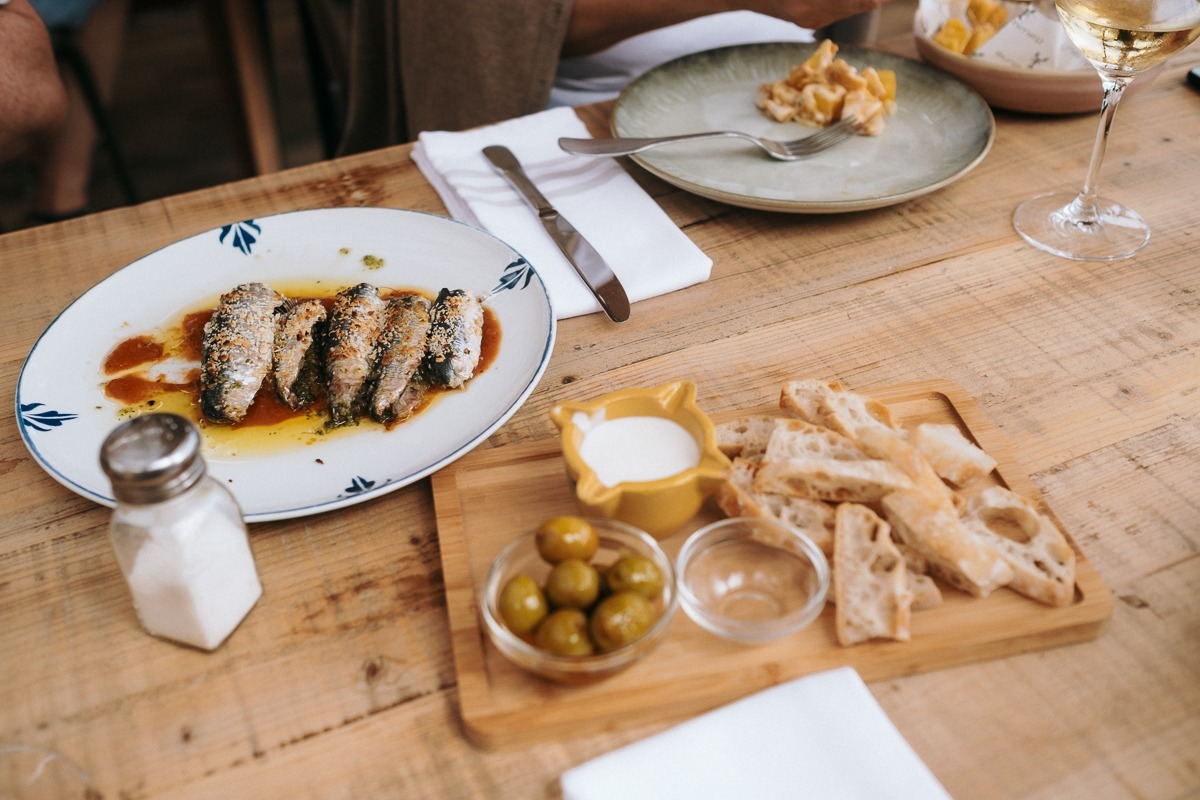
Our first stop in Spain was the Costa Brava, where we stayed at a campsite between Tossa de Mar and Lloret de Mar. Highlights were the medieval Vila Vella in Tossa, the GI-682 coastal road and a 700-year-old family winery in Calonge. More in our Costa Brava guide and our review of Camping Cala Llevadó.
Gorafe Desert
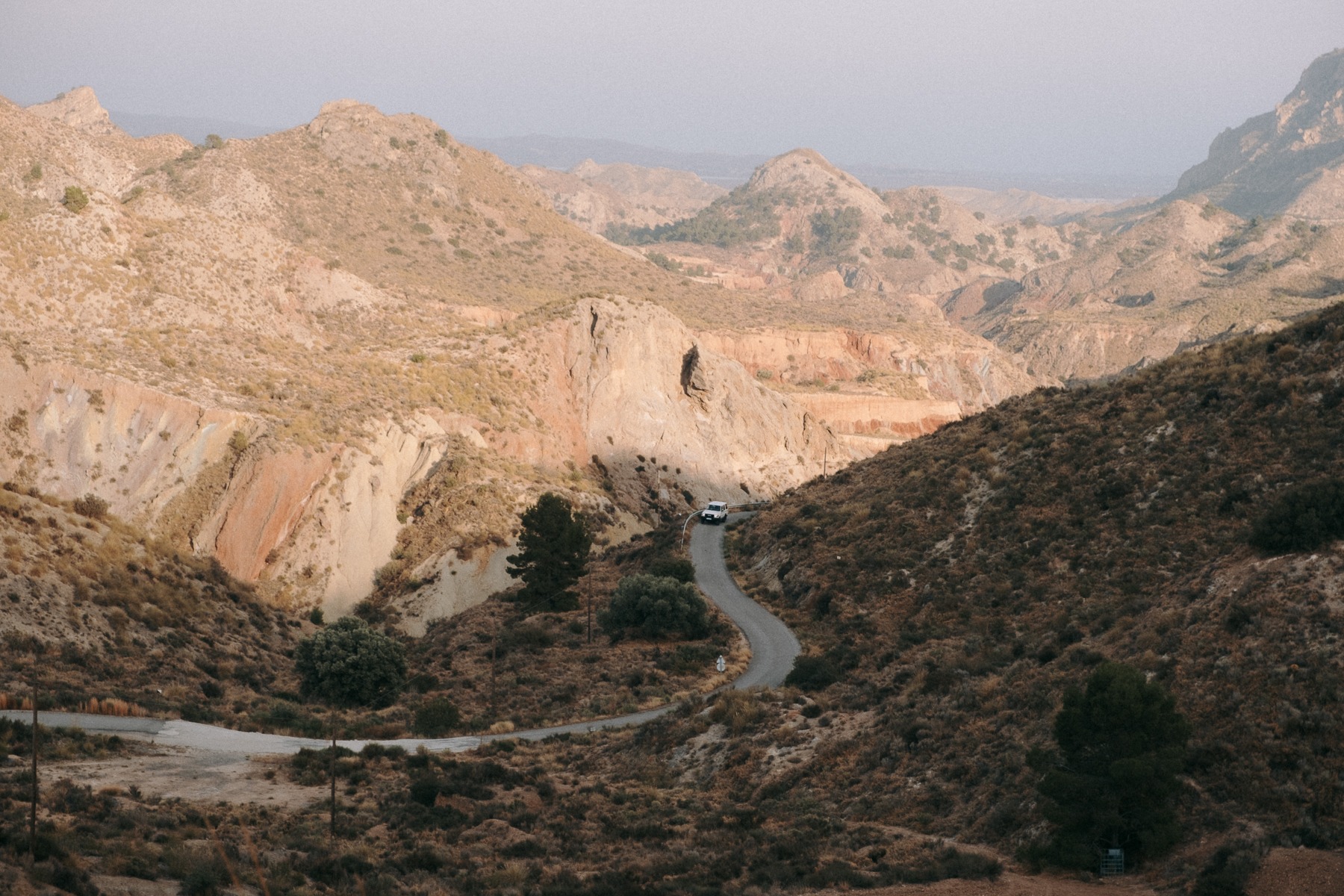
In the north of Granada province we spent a full day driving the tracks of the Gorafe Desert, a maze of red and white badlands with more than 240 prehistoric dolmens around it. It was one of the most unusual landscapes of the trip. Everything you need to know is in our Gorafe Desert guide.
Andalusia: white villages, Cabo de Gata and Tabernas
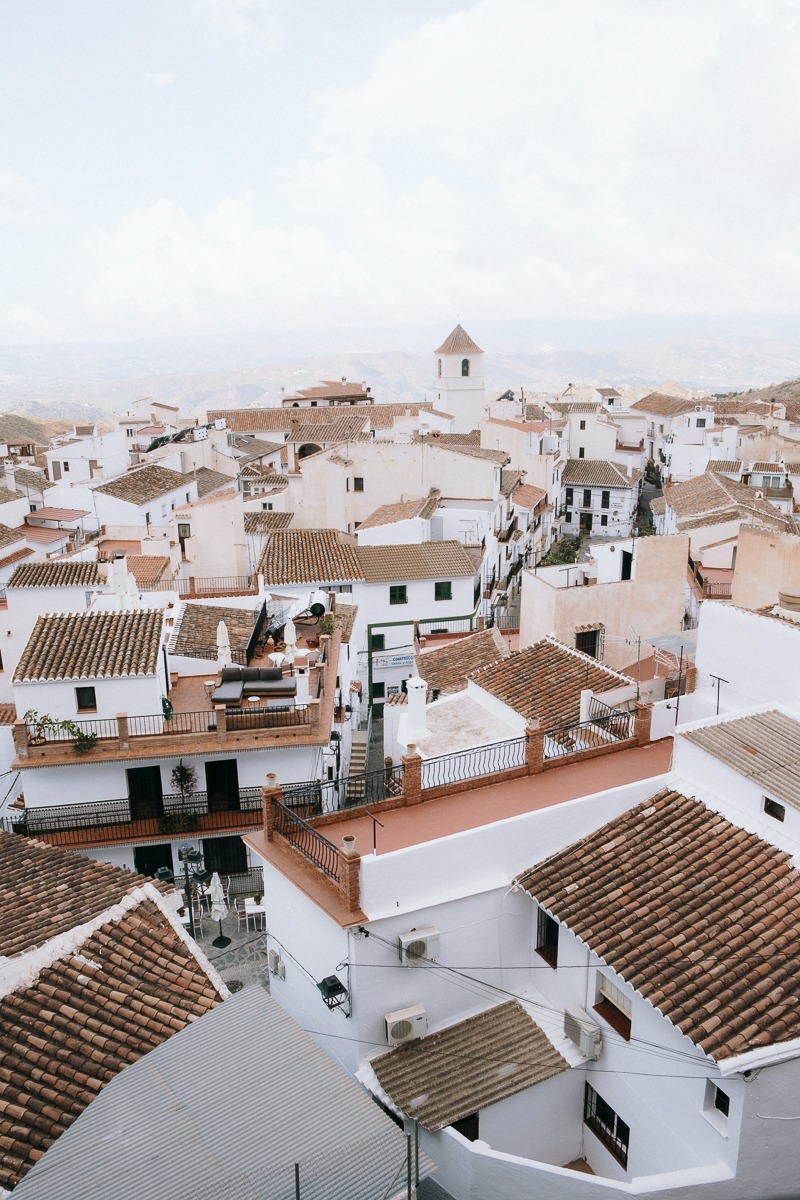
Between the deserts we drove through the mountains and the white villages Andalusia is known for, with their narrow lanes and whitewashed houses. On the coast we reached Cabo de Gata, a volcanic natural park near Almería, and had some of the best seafood of the trip in San José. Nearby, in the Tabernas desert, we visited Oasys MiniHollywood, a theme park built around old Western film sets.
Cabo de Gata is strict about vans and campers: overnight stays outside campsites and official areas are not allowed, and inspectors do hand out fines.
Gibraltar
At the southern tip of our route we drove across the border into Gibraltar, went up the Rock, met the Barbary macaques and walked through its caves.
Good to know today: private cars are not allowed into the Upper Rock Nature Reserve, so you go up on foot, by taxi tour or by shuttle. An adult ticket costs about £30 and includes St Michael's Cave and the Apes' Den. Do not feed or touch the macaques, they are wild and can bite.
Bardenas Reales
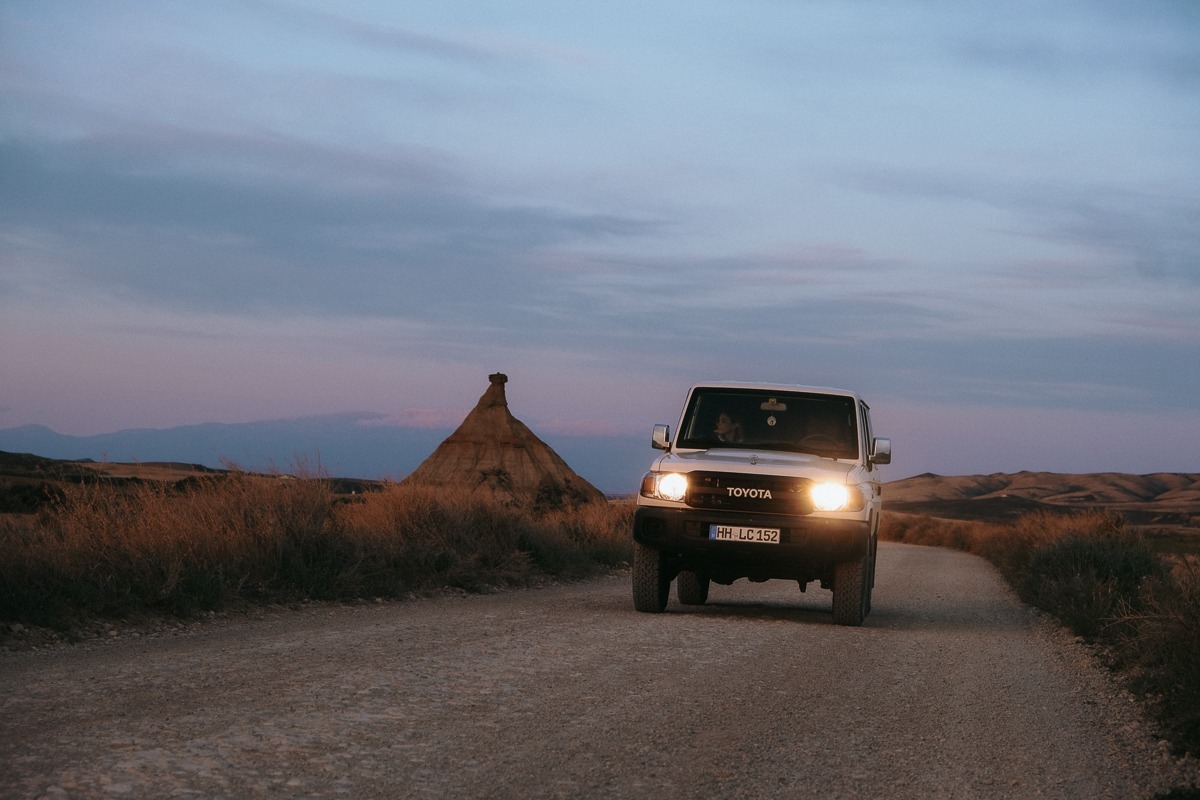
On the way north we drove the loop around Castildetierra, the famous clay tower in the Bardena Blanca. The Bardenas Reales in Navarra are a semi-desert of more than 400 km², part of which is a military firing range.
Park rules: it is open from 8:00 until one hour before sunset, vehicles must stay on the marked tracks at no more than 30 km/h, and camping or staying overnight inside the park is not allowed.
Wild camping in Spain
We slept at campsites, in wild spots and in other stays along the way. Before you plan the same, know the rules: wild camping is generally not allowed in Spain, and each region sets its own regulations. Andalusia bans it outside campsites, natural parks like Cabo de Gata actively fine overnight stays, and the Bardenas Reales are closed after dark. Use campsites and official motorhome areas where you can, ask locally, and always leave a spot cleaner than you found it.

FAQ
How long do you need for an overlanding trip through Spain?
We had three weeks for Hamburg to Gibraltar and back, including the Costa Brava, Andalusia and the Bardenas Reales.
Is wild camping legal in Spain?
Generally no. Rules vary by region, Andalusia bans it outside campsites, and natural parks like Cabo de Gata fine overnight stays.
Can you drive up the Rock of Gibraltar?
Not in a private car. Only local vehicles, taxi tours and shuttles can enter the Upper Rock Nature Reserve, or you can walk up.
Can you camp in the Bardenas Reales?
No. The park is open from 8:00 until one hour before sunset, and camping or staying overnight inside it is not allowed.
Final thoughts
Spain gave us everything on one road trip: Mediterranean coves, desert tracks, white villages, a British rock at the tip of Europe and the badlands of Navarra. If you have a capable car and a few weeks, it is one of the best overlanding countries in Europe.
Start with our Costa Brava guide and the Gorafe Desert.